What Is Tonka Bean in Perfume?
This post contains affiliate links. I earn a small commission at no cost to you.
The Note You Probably Already Love Without Knowing Its Name
If you gravitate toward warm, cozy, slightly sweet fragrances — the kind that feel like comfort rather than performance — tonka bean is almost certainly already one of your favorite notes. It appears in gourmands, orientals, ambers, and vanilla-forward compositions constantly, doing quiet but essential structural work that makes everything around it feel warmer, richer, and longer-lasting.
Most people encounter tonka bean before they know what it is. This guide is for the point after that.
Executive Summary
Tonka bean is a warm, sweet, slightly almond note derived from the seed of the Dipteryx odorata tree. In perfumery it functions as both a character note and a structural tool, adding depth and longevity while softening harsh edges in complex compositions. It’s one of the most versatile materials in the perfumer’s toolkit and one of the most beloved by wearers who prioritize warmth, intimacy, and long-wearing comfort over projection and statement presence.
Key Takeaway: Tonka bean is the fragrance note that makes everything feel finished. Understanding what it does and why perfumers reach for it constantly is one of the most useful pieces of fragrance knowledge you can have before building a wardrobe.
Where Tonka Bean Comes From
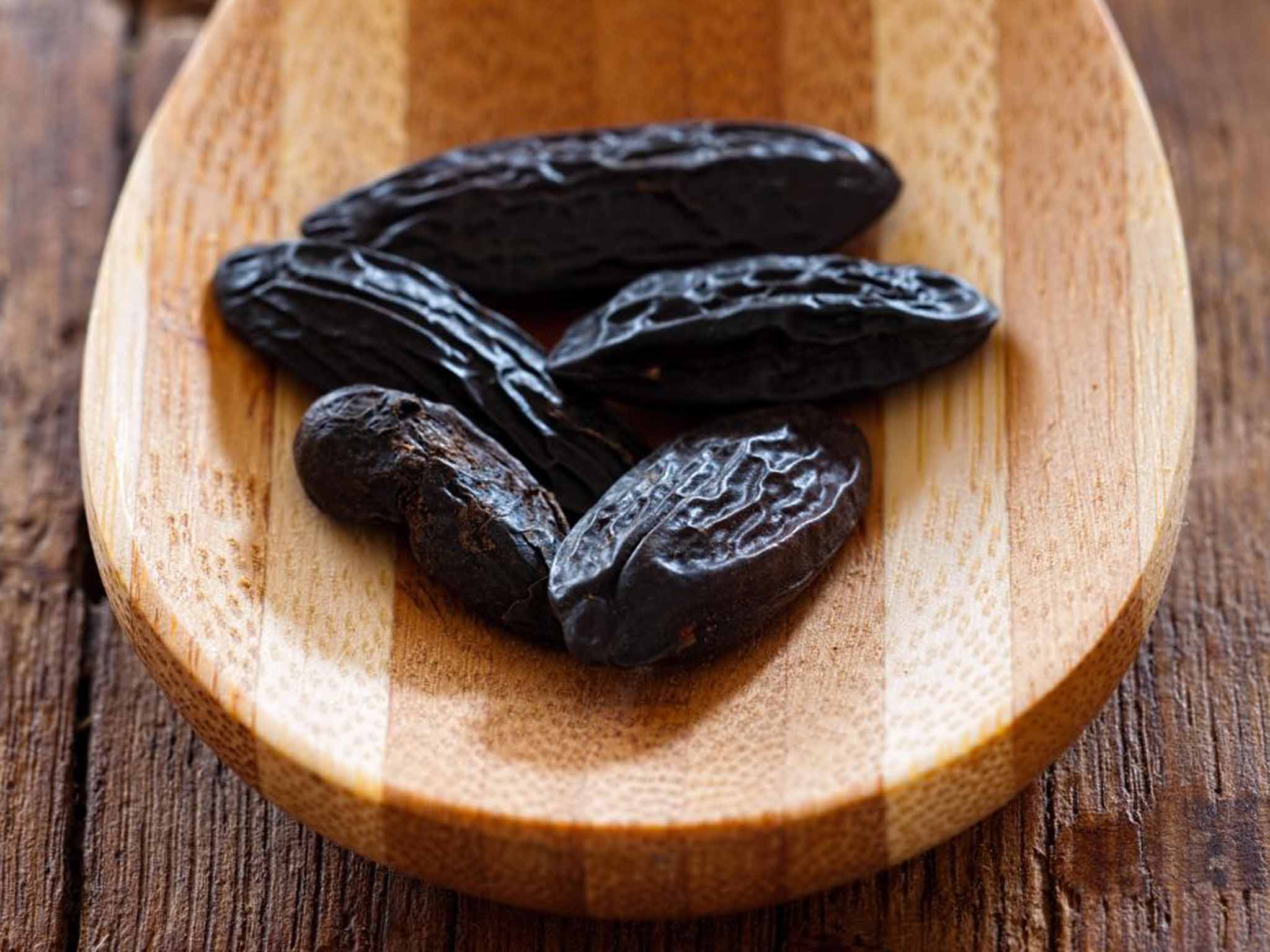
Tonka bean is the dried seed of the Dipteryx odorata tree, native to South America and parts of the Caribbean. The seeds are harvested, dried, and sometimes soaked in rum or alcohol to intensify their aromatic character before being processed into the ingredient perfumers use.
The key aromatic compound in tonka bean is coumarin, a naturally occurring molecule responsible for the warm, slightly sweet, powdery quality that defines the note. Coumarin is also found in cinnamon, sweet clover, and freshly cut grass, which explains why tonka bean has such a complex character despite being derived from a single source. It isn’t just sweet. It’s warm and spiced and faintly powdery all at once.
Most tonka bean in modern perfumery is natural rather than synthetic, which makes it one of the few widely used fragrance materials that hasn’t been largely replaced by laboratory alternatives. That natural origin contributes to the complexity and warmth that synthetic alternatives struggle to fully replicate.
What Does Tonka Bean Actually Smell Like?
Tonka bean smells like warmth made tangible. The most identifiable qualities are creamy vanilla, soft almond, a faint cinnamon spice, and a gentle powdery undertone that gives it a slightly skin-like quality on wear.
What makes tonka bean distinctive from vanilla despite their obvious similarity is the almond and spice dimension. Vanilla is purely sweet and creamy. Tonka bean is sweet and creamy with edges, which gives it more complexity and makes it more interesting as a standalone note rather than just a supporting player.
On skin, tonka bean doesn’t project far. It creates warmth in your immediate personal space rather than announcing itself across a room, which is precisely why it works so well in intimate, close-wearing fragrances. It’s the note that makes someone lean in rather than notice you from a distance.
Why Perfumers Reach for It Constantly
Tonka bean earns its place in more compositions than almost any other base note, and the reasons are structural as much as aromatic.
It adds depth without heaviness. Compositions that feel thin or one-dimensional in the base often benefit immediately from tonka bean because it adds richness without the weight that heavier resinous materials bring.
It extends longevity. Coumarin is naturally tenacious on skin. Tonka bean in the base holds lighter top and heart notes in place and prevents them from disappearing too quickly, which is why fragrances with tonka bean in the base consistently outperform their price point in longevity.
It smooths harsh edges. Sharp citruses, aggressive florals, and challenging spice notes all benefit from tonka bean in the base because it rounds off the sharpness without neutralizing the character. It’s the note that makes difficult materials wearable.
It bridges fragrance families. Tonka bean sits naturally at the intersection of gourmand, oriental, amber, and woody compositions, which means it can anchor any of those families without feeling out of place. That versatility is why perfumers in every category reach for it.
Tonka Bean Across Fragrance Families
Tonka bean appears across more fragrance families than most buyers expect, and understanding which family a tonka-containing fragrance belongs to tells you more about how it will wear than the tonka note itself.
In gourmand compositions, tonka bean is often the note that makes the sweetness feel luxurious rather than juvenile. It adds complexity underneath caramel, chocolate, and vanilla without pushing the composition into edible territory.
In oriental and amber compositions, tonka bean deepens the warmth and gives the composition a sensual, slightly skin-like quality that makes it feel intimate rather than heavy.
In floral compositions, tonka bean in the base softens the florals and gives them longevity they wouldn’t otherwise have. A rose or jasmine fragrance with tonka bean in the base wears considerably longer and more comfortably than the same composition without it.
In woody compositions, tonka bean adds sweetness and warmth that prevents the woods from reading as cold or sharp, creating the kind of smooth, comfortable dry-down that makes woody fragrances genuinely wearable rather than merely interesting.
Tonka Bean vs Similar Notes
The most useful comparison for understanding tonka bean is against the notes it’s most frequently confused with or grouped alongside.
Tonka bean vs vanilla: Both are warm and sweet, but tonka bean has almond, spice, and powdery dimensions that vanilla doesn’t. Vanilla is purely creamy. Tonka bean has edges. They work exceptionally well together precisely because they’re similar enough to cohere but different enough to add depth to each other. The vanilla fragrance wardrobe guide covers how tonka bean functions within vanilla-forward compositions in detail.
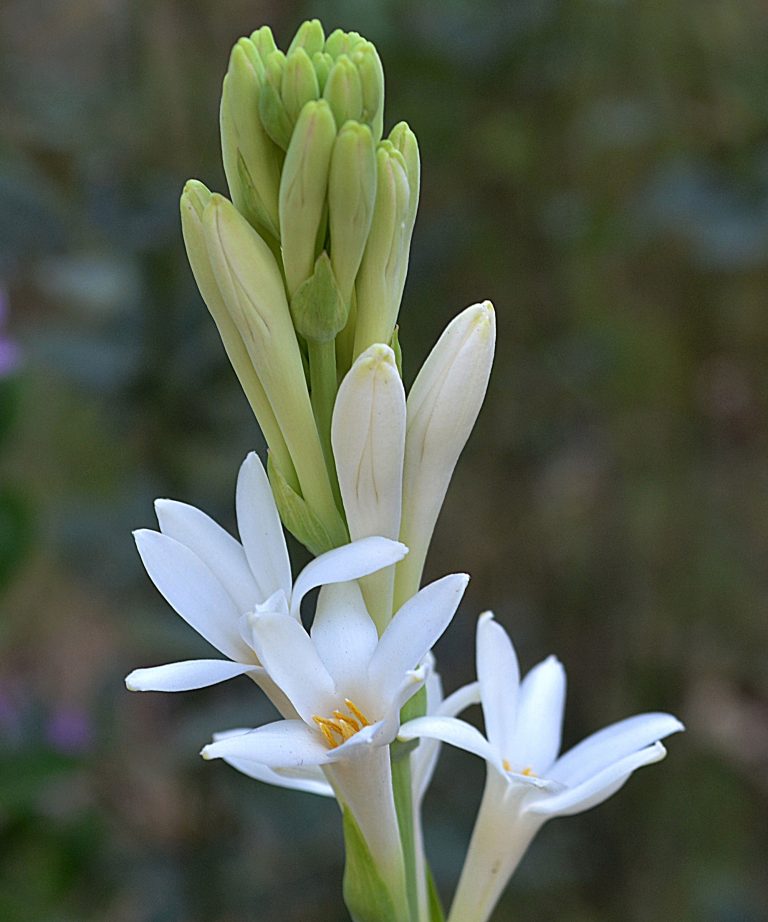
Tonka bean vs tuberose: Two completely different notes that appear together frequently enough to warrant comparison. Tonka bean is intimate and close-wearing. Tuberose is bold and projecting. Understanding the distinction between them is one of the most useful pieces of fragrance knowledge for wardrobe building. The full comparison is in the tonka bean vs tuberose guide.
Tonka bean vs coumarin: Coumarin is the aromatic compound within tonka bean rather than a separate note. When a fragrance lists coumarin specifically, it’s using the isolated molecule rather than the full tonka bean extract, which produces a slightly cleaner, more linear version of the same warm sweet character.
What This Means for Your Wardrobe
Tonka bean is a foundational note rather than a statement note. It belongs in the fragrances you reach for across multiple contexts, seasons, and occasions without deliberating. Comfort vanillas, oriental bases, and gourmand compositions all use tonka bean as the anchor that makes everything feel settled and warm.
Within a structured fragrance wardrobe, tonka bean does its best work in the Creamy Comfort Vanilla and Refined Evening Vanilla roles, though it appears across all four vanilla wardrobe lanes and in oriental and amber compositions outside the vanilla category entirely. The wardrobe-building framework covers where comfort and depth notes like tonka bean earn their place across a full ten-bottle collection.
If your wardrobe feels thin, disappears quickly on skin, or lacks the warmth you’re looking for, the first question worth asking is whether your fragrances have enough tonka bean in the base. The answer to that question explains more about performance gaps than almost anything else.
FAQ
Is tonka bean safe for sensitive skin? Generally yes. Coumarin can cause reactions in some people with specific sensitivities, but tonka bean is widely used and well-tolerated by most wearers. If you have known coumarin sensitivity, patch testing before committing to a full bottle is the sensible approach.
Does tonka bean smell like food? It has a slightly edible quality from the almond and vanilla dimensions, but it reads as warm and sensual rather than literally food-like. Fragrances that smell genuinely edible usually combine tonka bean with heavier gourmand materials like caramel, chocolate, or praline. Tonka bean alone is more like warmth than dessert.
Which season is tonka bean best for? Fall and winter are the natural home for tonka bean heavy compositions because the warmth and sweetness suit cooler air. That said, tonka bean appears in year-round fragrances as a supporting note without making them feel season-specific. The determining factor is usually the full composition rather than the tonka bean alone.
Can tonka bean be layered effectively? Yes, and it’s one of the most layering-friendly notes in the category. Tonka bean underneath a woody or floral fragrance adds warmth and longevity. Tonka bean underneath a citrus adds sweetness and depth that prevents the citrus from disappearing. Tonka bean under a heavy oriental softens the base and makes the composition more wearable in milder conditions.
Want to understand how tonka bean compares to tuberose, perfumery’s other great comfort note? The tonka bean vs tuberose guide maps the full distinction including wardrobe roles, performance differences, and which one your collection is actually missing.