Tonka Bean vs Tuberose
This post contains affiliate links. I earn a small commission at no cost to you.
Two of Perfumery’s Most Beloved Notes. Two Completely Different Wardrobe Roles.
Tonka bean and tuberose appear in some of the most loved fragrances in the world. They’re both rich, both complex, and both capable of anchoring a composition entirely on their own. And yet they couldn’t be more different in how they feel on skin, what mood they create, and the kind of wardrobe role they fill.
If you’ve encountered both notes and wondered why one feels immediately right while the other feels like too much, or not enough, the answer is almost always about context rather than quality. Both notes are excellent. They’re just excellent at completely different things.
Executive Summary
Tonka bean is warm, sweet, and intimate. It creates the kind of fragrance that draws people closer rather than announcing itself across a room. Tuberose is bold, creamy, and unmistakably present. It projects with confidence and leaves a trail. Understanding the distinction between them isn’t just useful fragrance education. It’s the difference between buying a note you love and buying a note that fits the slot you’re trying to fill.
Key Takeaway: Tonka bean belongs in the wardrobe as a comfort and depth note. Tuberose belongs as a statement and presence note. Most wardrobes benefit from both, but they fill genuinely different roles and shouldn’t be treated as interchangeable.
What Does Tonka Bean Actually Smell Like?
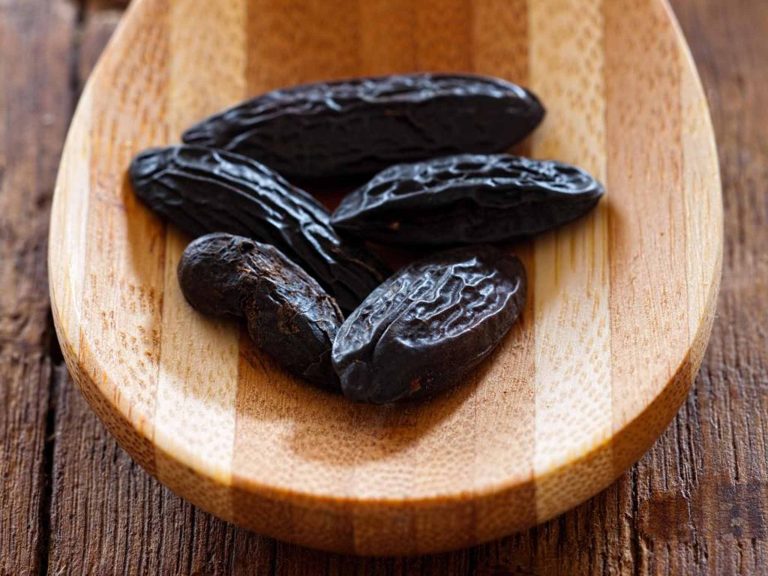
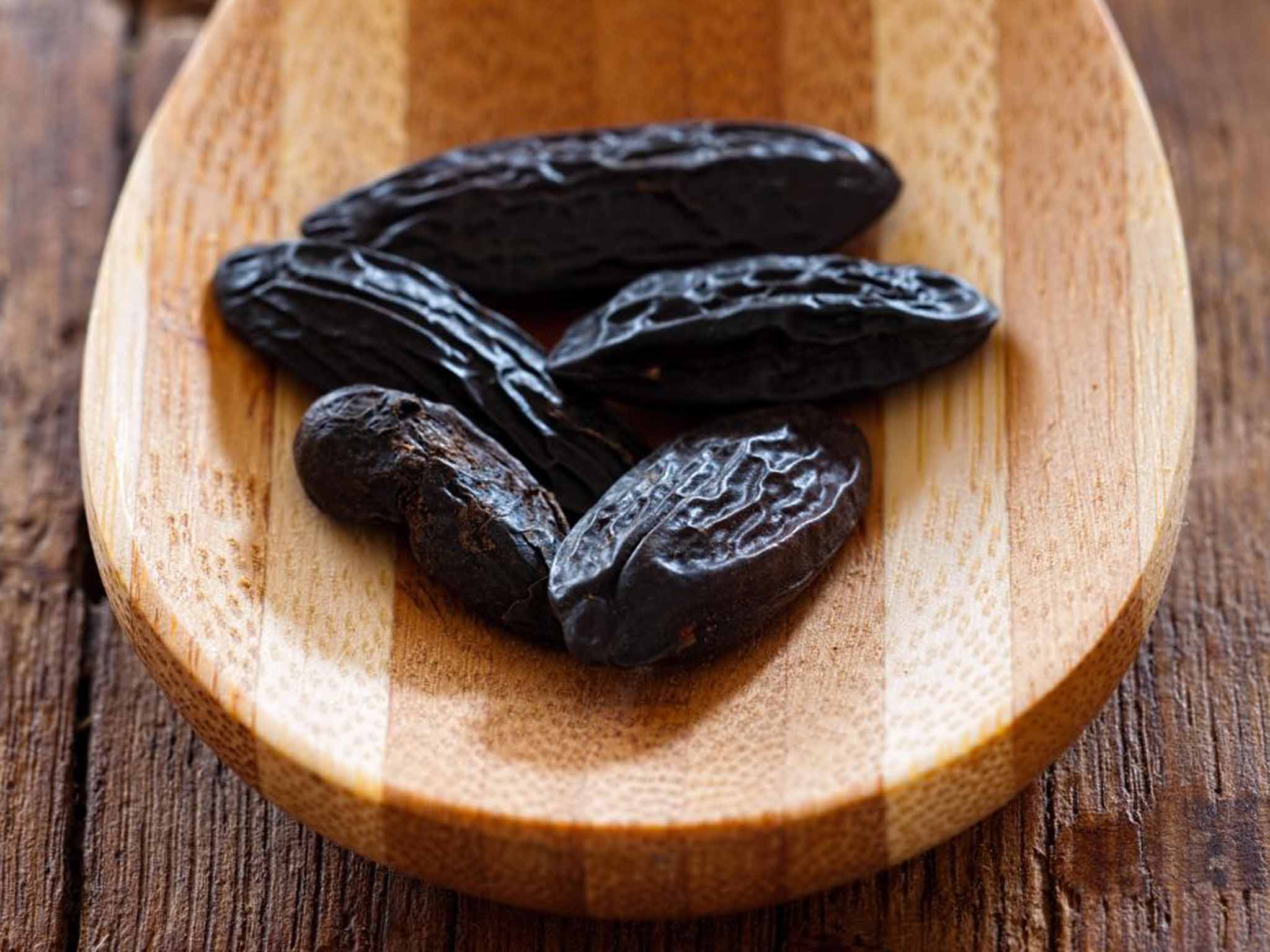
Tonka bean comes from the seed of the Dipteryx odorata tree, native to South America. The dried seed contains coumarin, which is the aromatic compound responsible for its distinctive character. On its own, tonka bean smells warm and slightly sweet with a complexity that includes creamy vanilla, soft almond, a faint cinnamon spice, and a gentle powdery quality that makes it feel like warmth rather than sweetness.
What makes tonka bean so useful in perfumery is its versatility as a supporting note. It softens sharp edges. It extends the longevity of lighter materials by anchoring them in the base. It adds a cozy, addictive quality to compositions that would otherwise feel thin or flat. Most fragrances you reach for in fall and winter that feel warm and enveloping have tonka bean doing quiet but essential work somewhere in the base.
On skin, tonka bean creates intimacy. It stays close, wears long, and creates the kind of fragrance trail that only people nearby can detect. That restraint is exactly what makes it so effective as a signature note.
See tonka bean fragrance guide
What Does Tuberose Actually Smell Like?
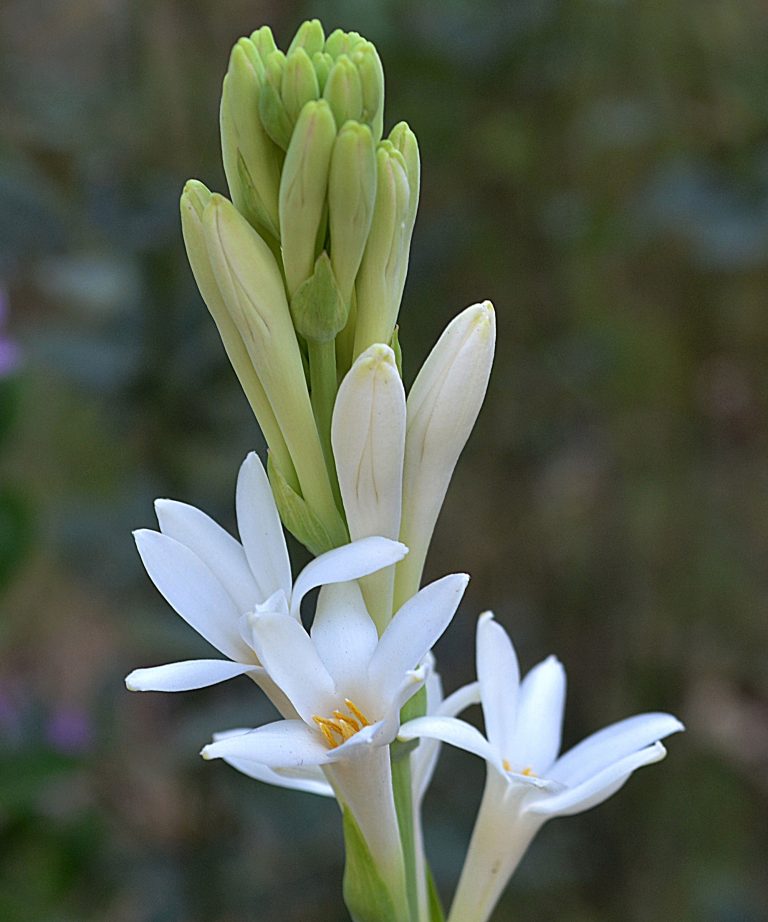
Tuberose is a white floral note derived from the Polianthes tuberosa plant, and it is one of the most complex and polarizing notes in perfumery. It opens rich and creamy with a sweetness that borders on heady, has a green freshness underneath that prevents it from going purely indulgent, and occasionally carries a faint bubblegum nuance in certain compositions that either reads as playful or overwhelming depending on the wearer.
What distinguishes tuberose from most white florals is its presence. It doesn’t sit quietly in a composition. It projects, it trails, and it makes sure the room knows it’s there before you’ve fully settled in. That quality makes it genuinely glamorous when it’s used well, and genuinely challenging when the context doesn’t call for that level of assertion.
Tuberose works differently on different skin chemistries, which is why it has such a divided reputation. On skin that handles rich florals well, it’s one of the most beautiful notes in perfumery. On skin that amplifies florals, it can become overwhelming before the heart has even developed.
How They Compare
| Tonka Bean | Tuberose | |
|---|---|---|
| Scent Character | Warm, sweet, cozy | Creamy, bold, floral |
| Mood | Intimate, sensual | Confident, glamorous |
| Projection | Soft, close to skin | Noticeable trail |
| Longevity | Long-lasting | Long-lasting |
| Best Season | Fall and winter | Spring and summer |
| Wardrobe Role | Comfort and depth anchor | Statement floral presence |
How Each One Performs on Skin
Tonka bean is one of the most skin-friendly notes in perfumery. It warms as it develops, stays close throughout the wear, and rarely causes skin chemistry issues. The coumarin content means it has natural tenacity that keeps it present for hours without requiring reapplication. It’s the note you stop noticing because it’s become part of your skin rather than something sitting on top of it.
Tuberose is considerably more dependent on skin chemistry. On skin that suits it, the projection is immediate and confident and the dry-down is creamy and long-lasting. On skin that amplifies florals, the opening can feel aggressive and the projection can become intrusive in close-contact settings. If you’re new to tuberose, sampling before committing to a full bottle is genuine advice rather than a hedge.
How They Work in a Wardrobe
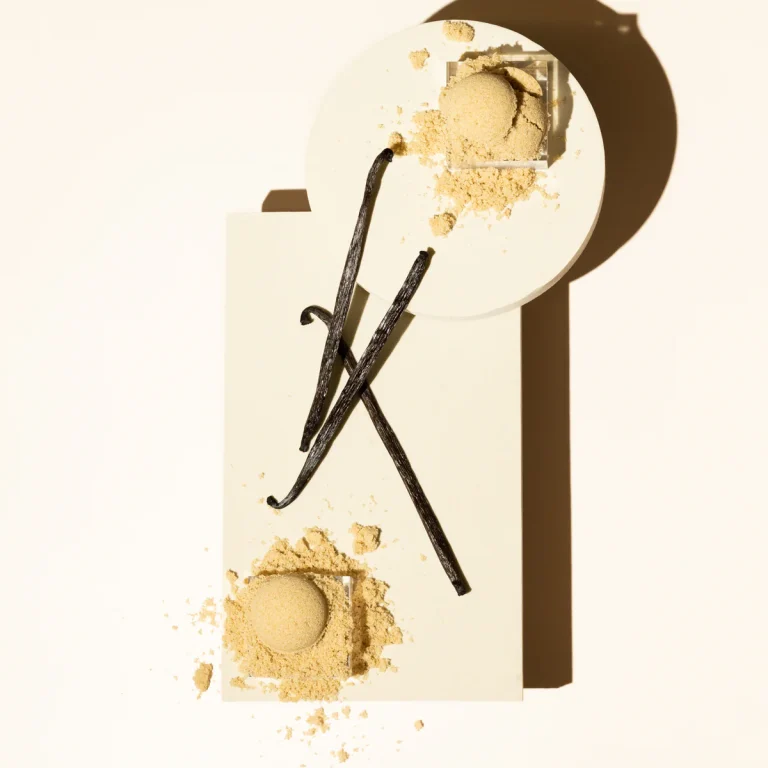
Tonka bean works best as a foundational note. It belongs in fragrances you reach for across multiple contexts, seasons, and occasions without much deliberation. Comfort vanillas, oriental bases, and gourmand compositions all use tonka bean as the anchor that makes everything else feel settled and warm. Within the vanilla fragrance wardrobe framework, tonka bean is often doing the background work in the Creamy Comfort Vanilla and Refined Evening Vanilla roles.
Tuberose works best as a statement note. It belongs in fragrances you reach for intentionally because you want presence and projection. Fragrances like Lattafa Her Confession, which uses tuberose as the central character of its heart, and Lattafa Atheeri, which uses it as a softer floral support, demonstrate the full range of what the note can do from assertive to restrained.
Together they produce something neither achieves alone. Tonka bean softens tuberose’s assertiveness and gives it warmth and sweetness. Tuberose lifts tonka bean’s coziness into something more glamorous and projecting. The combination appears regularly in niche and luxury compositions for exactly this reason, and it works because the two notes balance each other’s extremes rather than competing.
Which One Does Your Wardrobe Actually Need?
If your collection is comfort-heavy and fall and winter oriented, you likely already have plenty of tonka bean at work. The gap is probably tuberose, or a composition where tuberose adds the presence and projection your softer fragrances don’t have.
If your collection leans floral and summery but feels thin or lacks longevity, tonka bean is almost certainly what’s missing. It adds the warmth and depth that keeps lighter compositions from disappearing an hour into the wear.
And if your wardrobe feels one-dimensional despite owning a reasonable number of bottles, the question worth asking is whether every fragrance you own is using the same base notes. A collection built entirely around tonka bean and vanilla has warmth and comfort but no statement. A collection built entirely around white florals and tuberose has presence but no intimacy. Both notes earning their place is what creates genuine range.
FAQ
Is tonka bean the same as vanilla? They’re related but not the same. Tonka bean contains coumarin, which shares some of vanilla’s warmth and sweetness, but tonka bean also has almond, spice, and powdery qualities that vanilla doesn’t. Many fragrances use them together precisely because they deepen each other without duplicating each other.
Is tuberose too strong for everyday wear? It depends on the composition and your skin chemistry. Tuberose-forward fragrances tend to project significantly and suit occasion or evening wear more naturally than everyday casual contexts. Fragrances that use tuberose as a supporting rather than leading note can work for daily wear provided the overall projection of the composition is calibrated accordingly.
Can tonka bean and tuberose be layered? Yes, and the combination is genuinely worth trying. A tonka-heavy comfort vanilla layered underneath a tuberose floral produces a creamy, warm floral that’s more wearable than the tuberose alone and more interesting than the tonka alone. Apply the tonka-forward fragrance first on skin and the tuberose composition on top.
Which note lasts longer on skin? Both have strong longevity, but tonka bean typically wins on skin because coumarin is naturally tenacious. Tuberose longevity varies more significantly with skin chemistry. On clothing both perform excellently.
Ready to put this into practice? The vanilla fragrance wardrobe guide maps how tonka bean functions across four wardrobe roles, and the wardrobe-building framework is where to start if you’re identifying which gaps your collection still has.