What Is Bergamot in Perfume? A Skin-Tested Guide
This post contains affiliate links. I earn a small commission at no cost to you.
The Note That Kept Showing Up Before I Understood What It Was
Bergamot was in my collection long before I knew what to do with it. It was in fragrances I loved and fragrances I didn’t. Bergamot was doing completely different things in each of them, and for a long time, I couldn’t figure out why the same note could feel polished and intentional in one bottle and sharp and disruptive in another. It wasn’t until I started paying closer attention, testing in spring 2026, wearing the same note across different compositions back to back, that bergamot finally made sense to me. This is what I learned.
What Is Bergamot in Perfume?
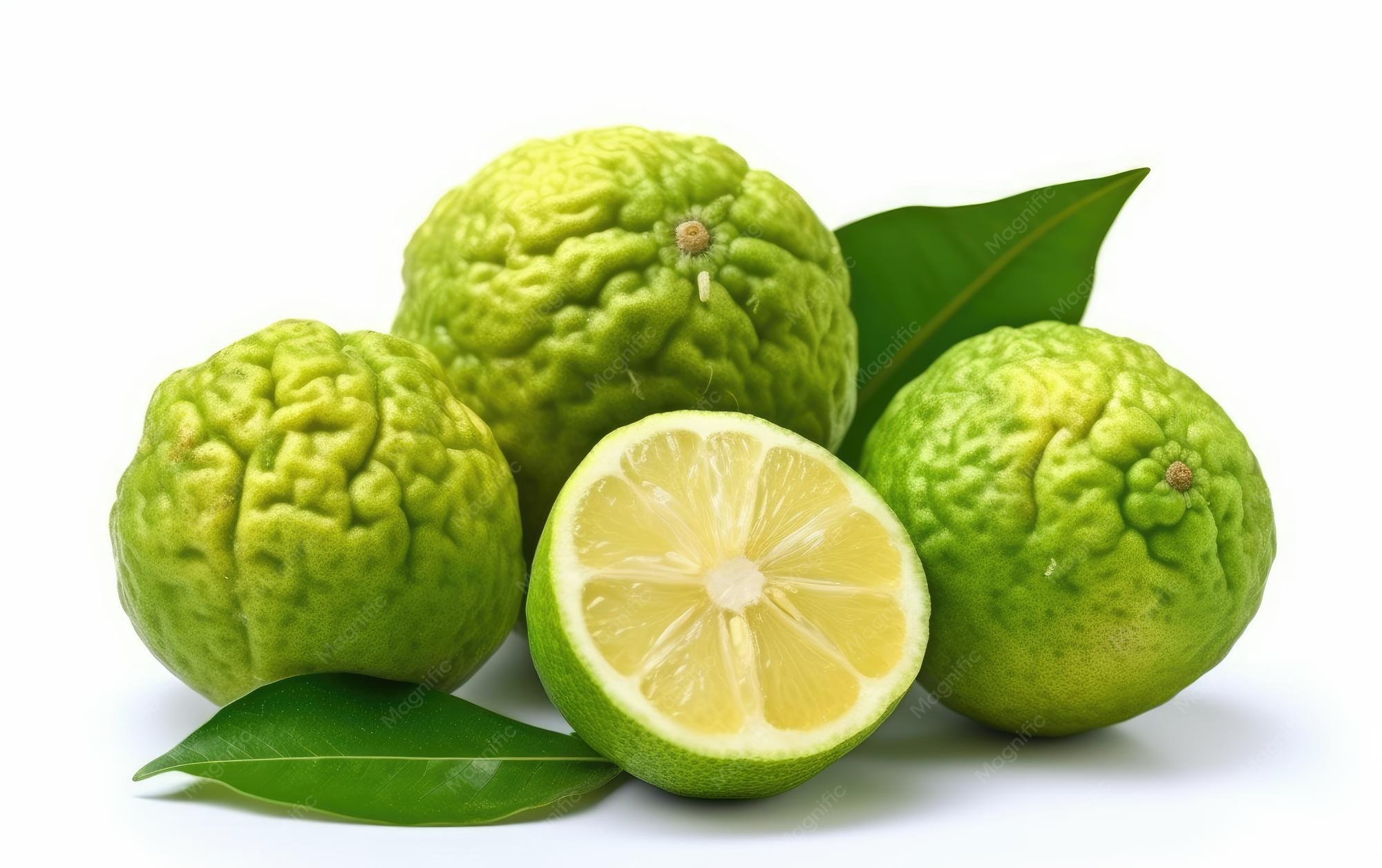
Bergamot is a citrus fruit grown primarily in Calabria, a region in southern Italy. The fruit itself looks like a small, pale yellow-green orange, and it’s almost never eaten. The value is entirely in the peel, which is cold-pressed to produce bergamot essential oil. That oil is what ends up in your perfume.
If bergamot smells familiar before you’ve ever consciously encountered it in fragrance, there’s a reason for that: it’s the note that gives Earl Grey tea its distinctive character. That slightly floral, slightly bitter, unmistakably citrus quality that separates Earl Grey from every other black tea — that’s bergamot. Once you know that, you start recognizing it everywhere.
In perfumery, bergamot is one of the most widely used ingredients in existence. It shows up in cologne-style fragrances, oriental compositions, florals, gourmands, and everything in between. The reason it’s so ubiquitous is that it does something almost no other single note can do: it bridges. Bergamot connects top notes to heart notes, adds brightness to heavy compositions without disrupting them, and gives the opening of a fragrance a clean, recognizable freshness that draws people in before the more complex notes arrive.
How Bergamot Actually Behaves on Skin
The note list tells you bergamot is there. What it doesn’t tell you is what bergamot is doing, and that distinction matters more than most people realize.
Bergamot has three modes on skin depending on what surrounds it, and understanding which mode you’re dealing with is the difference between buying a fragrance that works for you and being confused about why a note you thought you liked isn’t showing up the way you expected.
Bergamot as a Leading Note: What Is Bergamot in Perfume When It Takes Charge
This is bergamot at its most confident and its most demanding. When bergamot leads, it arrives loud and tart and bright from the very first spray, and it tells you immediately what kind of fragrance you’re wearing.
Ard Al Zaafaran Milena is the clearest example of this in my collection. The bergamot in Milena doesn’t ease in. It announces itself alongside lemon at full projection from the first second, and the whole opening is built around its tart, citrus-forward character. The orange blossom and ylang ylang that follow in the heart only make sense because the bergamot has already established the fragrance’s identity. Remove the bergamot lead and the whole composition loses its reason for being.
When bergamot leads this way, you know it. The opening is bright, slightly sharp, and energetic in a way that softer top notes never quite achieve. If you find yourself instinctively smelling your wrist in the first thirty seconds, bergamot is probably the reason.
Bergamot as a Supporting Character: Present But Not Dominant
This is the mode most people encounter without realizing it. Bergamot is in the composition, it’s doing real structural work, but it’s not the headline. It’s the note that keeps the opening from going flat while the more prominent notes establish themselves.
Lattafa Ana Abiyedh Rouge is a good example of this. Bergamot is listed in the top notes alongside nashi pear and kumquat, and on skin it contributes a clean citrus freshness to the opening that stops the fruity notes from reading as too sweet or too one-dimensional. But you’re not wearing a bergamot fragrance. You’re wearing a fruity amber fragrance that happens to be brighter and more interesting because the bergamot is there. It’s doing structural work without announcing itself — and that’s exactly what a well-placed supporting note should do.
In this mode, bergamot is the reason a fragrance feels more complex than its main notes would suggest. It’s the invisible scaffolding holding the opening together.
Bergamot Running the Show When It Shouldn’t Be: Skin Chemistry and the Vanilla Aura Problem
This is the mode that taught me the most about how bergamot actually behaves, and it came from a fragrance where bergamot wasn’t supposed to be the star at all.
Vanilla Aura is named for its vanilla. The vanilla is the promise, the identity, the reason you buy it. On my skin, the bergamot dominates from the first spray and the vanilla barely emerges even in the dry-down. The citrus quality is the experience. The vanilla is theoretical.
This isn’t a flaw in the fragrance. It’s just skin chemistry doing its work. Bergamot is a volatile top note, which means it’s designed to evaporate relatively quickly and make way for the heart and base notes that follow. But some skin types hold bergamot longer than others. On my skin, bergamot clings. It stays prominent through phases where it should have stepped back, and it shapes the entire wear in a way the note list doesn’t predict.
If you’ve ever worn a fragrance that smelled more citrus-forward on you than on someone else, or more citrus-forward than the reviews suggested, this is likely why. Bergamot interacts with skin chemistry in ways that are genuinely difficult to predict without testing, which is why the same fragrance can smell completely different on two people who both own it.
What This Means When You’re Reading a Note List
Understanding bergamot changes how you read a note list and what questions you ask before you buy.
When you see bergamot in the top notes, ask which mode it’s likely in. Is the fragrance built around a citrus-forward identity, which suggests bergamot is leading? Is it a heavier oriental or gourmand where brightness in the opening is the goal, which suggests bergamot is supporting? And critically: do you know how your skin handles bergamot? Does it cling and stay prominent, or does it evaporate quickly and let the heart notes through?
Those questions don’t have universal answers, but asking them gives you far more useful information than the note list alone.
A few practical markers worth knowing:
- If bergamot is listed first in the top notes, it’s likely leading.
- When it appears alongside other citrus notes like lemon or orange, it’s probably part of a citrus accord rather than the sole driver.
- If it appears in a fragrance with heavy base notes like oud, vanilla, or amber, it’s almost certainly there to add brightness rather than to dominate.
Does Bergamot Agree With You? A Skin Test Worth Doing
The most useful thing you can do before building a bergamot-heavy collection is to find out how bergamot behaves on your skin specifically. The easiest way to do this is to spray a bergamot-forward fragrance on one wrist and check it at thirty minutes, one hour, and two hours. How prominent is the bergamot at each stage? Is it receding the way a top note should, or is it holding on and shaping the middle phase?
If it’s holding on, you’re someone whose skin amplifies bergamot. That’s useful information, not a problem. It means bergamot-forward fragrances will work beautifully on you. It also means fragrances where bergamot is supposed to be a supporting note might read more citrus-heavy on your skin than the reviews suggest. Knowing this before you spend money is worth the test.
For the deepest dive into how bergamot performs across different fragrance profiles and which affordable options are worth trying, the best bergamot perfumes affordable buying guide covers exactly that territory.
Bergamot was one of those notes I thought I understood before I really did. Wearing it in enough different contexts — leading in Ard Al Zaafaran Milena, supporting in Lattafa Ana Abiyedh Rouge, dominant-when-it-shouldn’t-be in Vanilla Aura — changed how I read every note list I’ve encountered since. If you want to understand your own collection better, bergamot is one of the best notes to start with. And if you’re building a fragrance wardrobe with intention rather than instinct, the wardrobe building framework is the place to start that conversation.
FAQ
Bergamot smells bright, tart, and slightly floral — like a citrus fruit with more complexity than lemon or orange. The closest everyday reference is Earl Grey tea, which gets its distinctive character from bergamot oil. In perfume it reads as fresh and slightly bitter in the opening, warming and softening as it develops on skin.
Yes, bergamot is almost always classified as a top note, which means it’s designed to be the first thing you smell and to evaporate relatively quickly as the heart notes emerge. However, skin chemistry affects how long bergamot stays prominent — on some skin types it lingers well into the heart phase and shapes the entire wear.
Bergamot is a volatile top note that interacts with individual skin chemistry. Some skin types hold bergamot longer than others, which means the same fragrance can smell more citrus-forward on one person and more floral or warm on another. Testing on skin rather than relying on reviews is the only reliable way to know how bergamot will behave on you specifically.
Some well-known fragrances with prominent bergamot include Creed Aventus, Giorgio Armani Acqua di Gio, and many Middle Eastern fragrances including Ard Al Zaafaran Milena, where bergamot leads the opening at significant projection. Earl Grey tea is also bergamot-forward and is a useful reference point for understanding the note before testing it in fragrance.
Bergamot is most associated with spring and summer because of its bright, fresh citrus character. However, it appears in year-round fragrances across all categories — from light summer colognes to heavy winter orientals — because it functions well as a brightness-adding top note regardless of the base composition. Whether a bergamot fragrance works in a given season depends more on the overall composition than on the bergamot itself.