Why Doesn’t My Perfume Last? A Skin-Tested Guide
This post contains affiliate links. I earn a small commission at no cost to you.
The Question I Started Asking After My Perfume Disappeared in Two Hours
The first time I really paid attention to longevity was when I sprayed something I genuinely loved and couldn’t smell it two hours later. Not faded – just gone. I went back and sprayed more and got the same result. I started wondering whether the problem was the fragrance, my skin, or something I was doing wrong. The answer, as I eventually learned, was all three. Tested across multiple wears in 2026, this is what I’ve figured out about why some fragrances last and others don’t.
What Is Fragrance Longevity and Why Does It Vary So Much?
Longevity is simply how long a fragrance remains detectable on skin from the first spray to the point where you can no longer smell it. It sounds straightforward, but the range in practice is enormous. Gulf Orchid Vanilla on the Beach sits on my skin for 10 to 12 hours and still registers on clothes the next day. Other fragrances in the same price range are gone in two hours without a trace. The difference isn’t random. It comes from a combination of factors that are worth understanding before you spend money on something that disappears before lunch.
Why Doesn’t My Perfume Last: Concentration Is the Starting Point
The most widely discussed factor in fragrance longevity is concentration: how much fragrance oil is dissolved in the alcohol base. Higher concentration generally means more longevity, though it’s not a perfect linear relationship.
The standard categories from lowest to highest concentration are:
Eau de Cologne (EDC): Typically 2-4% fragrance oil. Lightest concentration, shortest longevity – often two to four hours at most.
Eau de Toilette (EDT): Typically 5-15% fragrance oil. The most common format for designer fragrances. Moderate longevity – four to six hours on most skin types.
Eau de Parfum (EDP): Typically 15-20% fragrance oil. Stronger and longer-lasting – six to eight hours on many skin types, sometimes longer.
Extrait de Parfum / Parfum: Typically 20-30% or higher. The most concentrated format. Longest longevity – eight hours and beyond on most skin types, with some extraits still registering on skin the following morning.
Most of the Middle Eastern fragrances I wear are EDPs, and many are extrait, which is one of the reasons they consistently outperform designer EDTs at lower price points. Khadlaj Caffe Latte, for example, is an extrait de parfum at $32. The concentration alone helps explain why it performs above what the price would suggest.
That said, concentration is not the whole story. I’ve worn EDTs that outlasted EDPs, and extraits that disappeared faster than expected. The other factors matter just as much.
Why Doesn’t My Perfume Last: Skin Chemistry Changes Everything
This is the factor most people underestimate, and the one that explains why the same fragrance can last eight hours on one person and three hours on another, even when they wear identical amounts.
Skin chemistry affects longevity in several ways. Dry skin holds fragrance less effectively than oily or well-moisturized skin. This is because the fragrance molecules have less to grip onto and evaporate faster. Body temperature affects how quickly fragrance projects and dissipates; warmer skin tends to project more but can burn through top notes faster. pH levels vary between individuals and affect how fragrance molecules interact with skin, which is why some notes amplify on certain skin types and fade rapidly on others.
This is something I’ve experienced directly with bergamot specifically. On my skin, bergamot clings longer than it should. It stays prominent through phases where it was designed to step back and let the heart notes through. On someone else’s skin the same fragrance might behave exactly as the note pyramid suggests. Neither experience is wrong. It’s just chemistry.
The practical implication is that no review can tell you with certainty how long a fragrance will last on your skin. Reviews give you a useful baseline, but your own skin is the only reliable test.
Why Doesn’t My Perfume Last: Fragrance Construction Matters as Much as Concentration
This is the factor that surprised me most when I started paying closer attention. Two fragrances at identical concentration can have dramatically different longevity because of how they’re built, specifically, what base notes they use and how the composition is balanced.
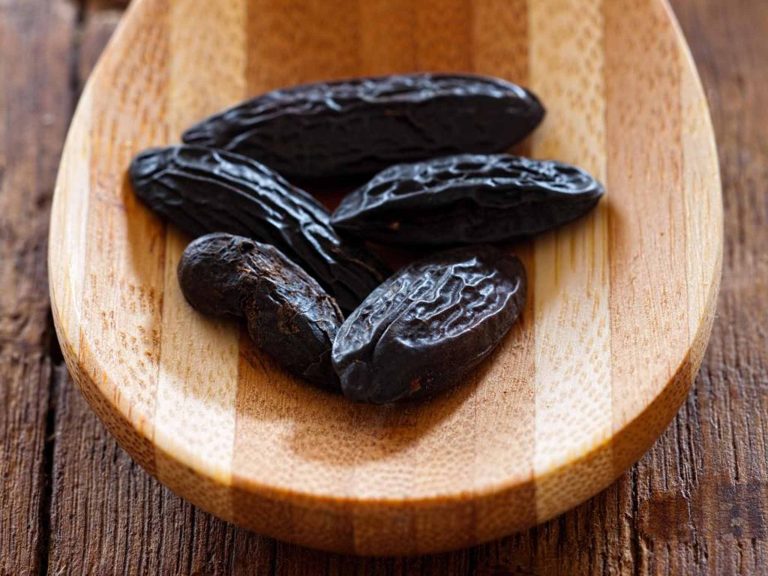
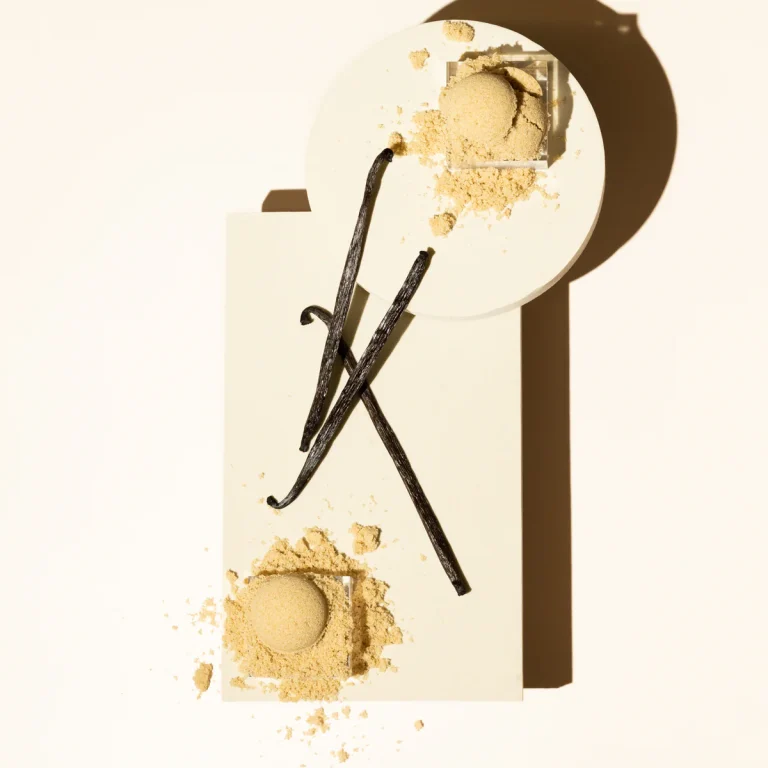
Heavy base notes anchor a fragrance and extend longevity. Musk, amber, oud, sandalwood, vanilla, patchouli, and resins all have excellent staying power and give a fragrance something to hold onto on skin as the top and heart notes fade. Fragrances built on these bases consistently outperform lighter compositions at equivalent concentrations.
Gulf Orchid’s Vanilla on the Beach is the clearest example in my collection. The base is amber, tonka, and musk – dense, anchoring materials that give the fragrance extraordinary staying power regardless of the lighter boozy and fruity opening above them. The 10 to 12 hours I consistently get from this fragrance are partly concentration and largely base note construction.
Contrast that with a fragrance built primarily on fresh citrus and light florals with minimal base note anchoring. Even at EDP concentration, these fragrances can feel like they evaporate quickly because the most volatile notes, the ones you smell first and remember most, are gone within an hour, and there isn’t enough base weight to replace them with something lasting.
This is also why some fragrances seem to disappear and then return. The top notes are gone, the heart notes have faded, and what remains is a close-to-skin base note presence that you only catch when you bring your wrist to your nose.
The Performance Gap: Why Some Affordable Fragrances Outlast Expensive Ones
One of the things that genuinely surprised me when I started building a fragrance wardrobe was how consistently Middle Eastern fragrances outperformed designer alternatives in longevity at a fraction of the price.
The explanation is partly cultural — longevity and sillage have historically been priorities in Middle Eastern perfumery in a way they haven’t always been in Western designer houses. But it’s also partly practical. Many Middle Eastern houses work in higher concentrations by default and use base-heavy oriental constructions that are inherently long-lasting.
- Ard Al Zaafaran Milena at $27.99 gives me beast mode projection and long longevity.
- Lattafa Angham at under $25 has been a consistent long-lasting performer across multiple wears.
- Gulf Orchid Mango Ice delivers 7+ hours of consistent skin presence at under $30.
These are not exceptional outliers. They’re typical of what Middle Eastern houses deliver at this price point when the composition is well-constructed.
This doesn’t mean every affordable Middle Eastern fragrance will last all day. La African Drummer has long longevity and strong projection, but what it’s projecting doesn’t work. Longevity is only an asset when the fragrance itself earns the extended wear.
What This Means for How You Shop
Understanding longevity means asking different questions before you buy. Not just “does this smell good” but:
- “what concentration is this,”
- “what base notes does it have,” and
- “how does my skin handle this note family.”
It also means recalibrating expectations for different fragrance categories. Fresh citrus fragrances are not designed to last eight hours. Their volatility is part of their character. A four-hour fresh EDT is performing correctly. A four-hour heavy oriental extract is underperforming.
For a practical guide to making the fragrances you already own last as long as possible, the how to make perfume last longer post covers application, storage, and layering techniques with real examples from the collection. And for the fragrances that earn their keep through exceptional longevity at accessible prices, the long lasting affordable perfume buying guide has the full list.
I used to assume that if a fragrance didn’t last, it wasn’t good enough. Now I understand that longevity is a collaboration between the fragrance, the skin wearing it, and the way it’s applied. Getting that collaboration right changed how I shop, how I apply, and how much I enjoy what’s already in my wardrobe. If you’re building a deliberate collection rather than just accumulating bottles, the wardrobe building framework is the place to start thinking about which role longevity plays in each slot.
FAQ
Several factors affect how long perfume lasts on skin. Dry skin holds fragrance less effectively than moisturized or oily skin. The concentration of the fragrance — EDT versus EDP versus extrait — directly affects longevity. The base notes in the composition matter enormously: fragrances built on heavy bases like musk, amber, oud, and vanilla last significantly longer than those built on light florals or fresh citrus. Skin chemistry also varies between individuals, meaning the same fragrance can last eight hours on one person and three on another.
Not necessarily. Concentration and base note construction matter more than price. Many affordable Middle Eastern fragrances — particularly extraits de parfum from houses like Lattafa, Khadlaj, Gulf Orchid, and Ard Al Zaafaran — consistently outlast designer EDTs at a fraction of the cost because they work at higher concentrations and use heavy oriental bases that are inherently long-lasting.
Extrait de parfum or parfum concentrations last longest because they contain the highest percentage of fragrance oil — typically 20-30% or more. Within any concentration category, fragrances built on heavy base notes (musk, amber, oud, vanilla, patchouli, resins) last longer than those built on light florals or citrus notes.
Yes significantly. Dry skin holds fragrance less effectively than oily or moisturized skin because fragrance molecules have less to grip onto and evaporate faster. Applying an unscented moisturizer before fragrance is one of the most effective ways to extend longevity on dry skin. Body temperature and individual pH levels also affect how fragrance interacts with skin.
This happens when the volatile top notes evaporate quickly, the heart notes fade to a quiet presence, and the base notes remain as a close-to-skin scent that you only detect when you smell your wrist directly. The fragrance hasn’t disappeared — it’s moved into its base phase, which often has less projection but genuine staying power on skin.