What Is Tuberose in Perfume?
This post contains affiliate links. I earn a small commission at no cost to you.
The Note That Fills a Room Before You Do
Tuberose has a reputation. Ask ten fragrance lovers about it, and you’ll get ten strong opinions, split roughly down the middle between people who find it intoxicating and people who find it overwhelming. Very few people are indifferent to it. That polarizing quality is not an accident — it’s the nature of the note itself, and understanding why tuberose divides opinion so cleanly is the most useful starting point for deciding whether it belongs in your wardrobe.
Executive Summary
Tuberose is a rich, creamy white floral note derived from the Polianthes tuberosa plant. It’s one of the most complex and expensive floral materials in perfumery, with a character that runs from sweet and nectar-like to heady and slightly animalic depending on how it’s used and how your skin interacts with it. It projects confidently, leaves a noticeable trail, and makes sure the room is aware of it before you’ve settled in. That presence is its greatest strength and its greatest challenge.
Key Takeaway: Tuberose is a statement note that fills the wardrobe role of bold, projecting feminine floral. It isn’t for every context, and it isn’t for every skin chemistry, but worn correctly and in the right composition, it’s one of the most beautiful and memorable things in perfumery.
Where Tuberose Comes From
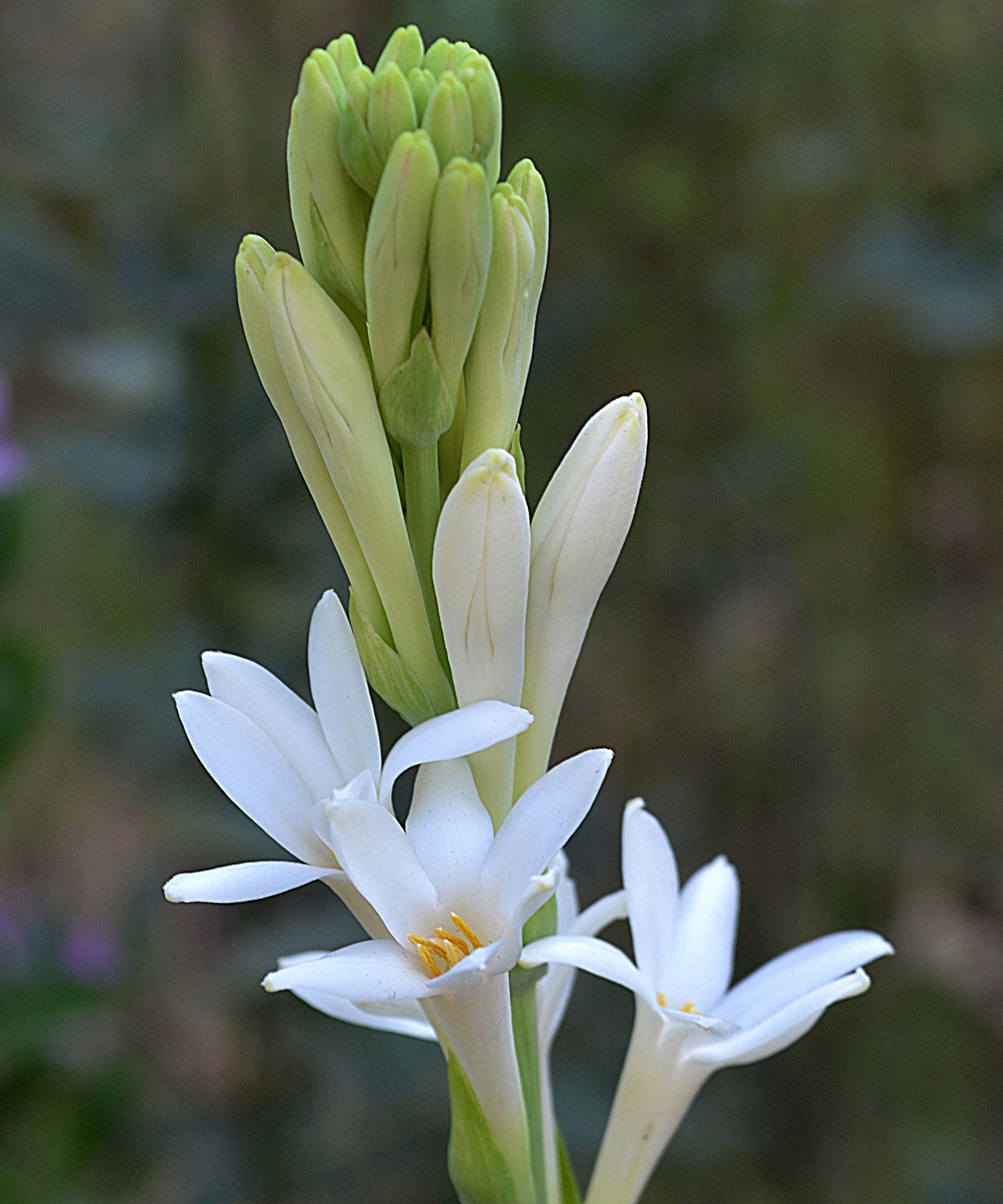
Tuberose comes from the Polianthes tuberosa plant, a flowering perennial native to Mexico and now cultivated across India, Egypt, and parts of France. The white flowers are harvested at night when their aromatic intensity peaks, and the extraction process is notoriously difficult and expensive. Natural tuberose absolute is one of the most costly floral materials in perfumery as a result.
Most affordable fragrances use synthetic tuberose molecules or a blend of natural and synthetic materials. The quality of that synthesis varies significantly between perfumers, which is one reason two fragrances that both list tuberose can smell so dramatically different from each other. A well-made synthetic tuberose can be genuinely beautiful. A poorly made one goes sharp or plastic within minutes.
This matters practically because it explains why tuberose has such a divided reputation. Many people’s first experience of tuberose is a synthetic version that doesn’t handle the note well, which colors their perception of the natural character entirely. If you’ve disliked tuberose in the past, it’s worth asking whether the issue was the note or the execution.
What Does Tuberose Actually Smell Like?
Tuberose is a creamy white floral with a sweetness that borders on heady. The most identifiable qualities are rich white florals, sweet nectar with a slightly watery quality, a green freshness underneath that prevents it from going purely indulgent, and in some compositions a faint bubblegum nuance that either reads as playful or excessive depending on the wearer.
What makes tuberose distinctive from other white florals is its intensity. Jasmine is sweet and rich, but it has an approachability that tuberose doesn’t always share. Lily of the valley is fresh and delicate. Gardenia is creamy but contained. Tuberose projects with a confidence that none of those florals quite match, and it does so from the first spray rather than building gradually.
There’s also a slightly animalic, almost skin-like quality in the drydown of well-made tuberose compositions that gives the note genuine sensuality. It’s this quality that makes tuberose feel glamorous and attention-commanding rather than simply pretty.
Why Tuberose Divides Opinion
The polarizing reputation of tuberose comes from three specific qualities that work in its favor in the right context and against it in the wrong one.
The first is intensity. Tuberose projects significantly, which means it works beautifully for occasions that call for presence and becomes intrusive in close quarters or casual settings where the level of projection feels disproportionate.
The second is skin chemistry dependence. Tuberose interacts with skin oils in ways that vary significantly between wearers. On skin that suits it, tuberose is luxurious and long-lasting. On skin that amplifies florals, it can become overwhelming before the heart has fully developed. This is why sampling before committing to a full bottle is genuine advice with tuberose rather than a generic hedge.
The third is the bubblegum nuance. Some synthetic tuberose molecules carry a slightly sweet, slightly artificial quality that some wearers love and others find juvenile. How prominently that quality registers depends on the specific materials used and the skin chemistry of the wearer. If you’ve encountered it and disliked it, a different tuberose composition using different materials may read entirely differently.
Tuberose Across Fragrance Families
Tuberose is primarily a white floral and floral oriental note, but it appears across a wider range of families than that classification suggests.
In white floral compositions, tuberose leads the composition and the result is bold, projecting, and unmistakably feminine. This is the most traditional and most polarizing use of the note.
In floral oriental compositions, tuberose sits alongside warm, resinous, or spiced materials that soften its intensity while preserving its presence. Lattafa Her Confession uses tuberose this way, with cinnamon and incense in the heart giving the floral a darker, more complex character than a straight white floral composition would produce.
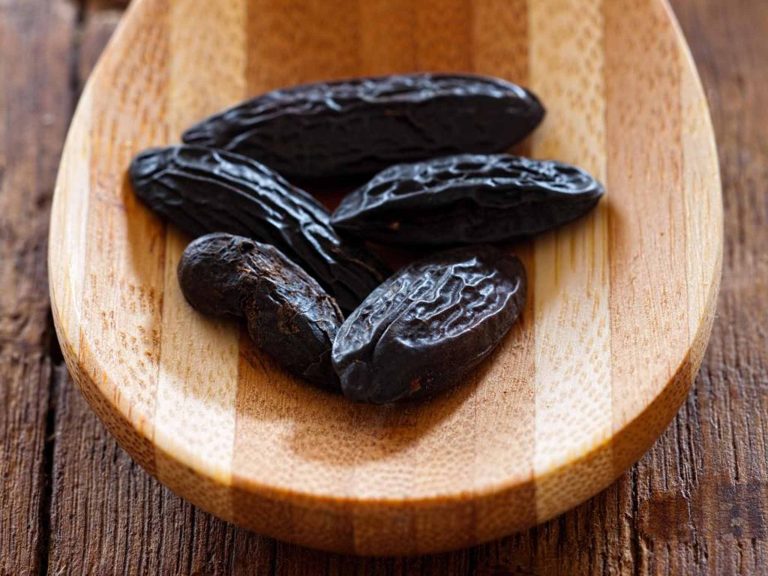
In floral gourmand compositions, tuberose appears alongside vanilla, tonka bean, or caramel in a way that softens the florals and creates something warmer and more approachable. Lattafa Atheeri demonstrates this approach, using tuberose as a supporting note that adds floral lift to what is primarily a sweet, close-wearing skin scent.
In transitional compositions, tuberose contributes to the bridge between floral and oriental or floral and woody character, adding the sweet, slightly heady quality that gives those compositions their distinctive edge.
Tuberose vs Tonka Bean: Understanding the Difference
The most useful comparison for placing tuberose in a wardrobe context is against tonka bean, because the two notes appear together frequently and fill genuinely different roles despite both being rich and complex.
Tonka bean is intimate and close-wearing. It stays in your personal space and creates warmth rather than projection. Tuberose is the opposite. It projects, it trails, and it announces itself before you’ve arrived. Tonka bean fills the comfort and depth role in a wardrobe. Tuberose fills the statement and presence role.
Many beloved compositions use both together precisely because they balance each other’s extremes. Tonka bean underneath tuberose adds warmth and sweetness that grounds the floral and makes it more wearable. Tuberose above tonka bean lifts the coziness into something more glamorous and projecting.
The full comparison between the two notes, including wardrobe roles and performance differences, is in the tonka bean vs tuberose guide.
What This Means for Your Wardrobe
Tuberose fills the statement floral slot in a structured wardrobe. It belongs in compositions you reach for intentionally because you want presence, projection, and the specific kind of confidence a bold white floral creates. It is not an everyday fragrance note for most wearers, and treating it as one leads to the kind of overwhelming first impression that gives tuberose its difficult reputation.
Within a structured fragrance wardrobe, tuberose earns its place in the evening occasion slot and the spring and summer statement fragrance role. The wardrobe-building framework covers how statement notes like tuberose function within a ten-bottle collection and how to identify whether your wardrobe has room for that slot or whether it’s already covered.
If your wardrobe feels safe, predictable, or lacking in presence and projection, tuberose is almost certainly part of the answer. The key is finding the right composition for your skin chemistry and the right occasion for its character.
FAQ
Is tuberose suitable for everyday wear? In most compositions, tuberose is better suited to occasion and evening wear than everyday casual settings. The projection is significant enough that it can feel disproportionate in close-contact professional or casual environments. Compositions that use tuberose as a supporting rather than leading note can work for daily wear if the overall projection is calibrated accordingly.
Why does tuberose smell different on different people? Tuberose is highly skin chemistry dependent. The same composition can read creamy and luxurious on one person and sharp or overwhelming on another depending on skin pH and natural oils. This is the primary reason sampling before committing to a full bottle is essential with tuberose in a way it isn’t with most other notes.
Is natural tuberose better than synthetic? Not automatically. Natural tuberose absolute is extraordinarily complex and expensive, but a well-made synthetic can be genuinely beautiful and more consistent in performance. The quality of execution matters more than the natural vs synthetic distinction. Poorly made synthetic tuberose is where the sharp, plastic, or bubblegum reputation comes from.
Can tuberose be layered to make it more wearable? Yes. Tonka bean underneath a tuberose fragrance adds warmth and sweetness that grounds the floral and makes it feel more intimate and less assertive. Vanilla similarly softens tuberose’s projection without eliminating its character. Musk underneath tuberose creates a clean sensuality that works particularly well for evening wear when presence is wanted but intensity needs managing.
Want to understand how tuberose compares to tonka bean as a wardrobe note? The tonka bean vs tuberose guide maps the full distinction including performance differences and which one your collection is actually missing. And for the full tonka bean picture, the what is tonka bean in perfume guide covers everything you need to know about its closest counterpart.