What Is Vanilla in Perfume?
This post contains affiliate links. I earn a small commission at no cost to you.
The Note That Makes Everything Feel Complete — When It’s Done Right
Vanilla is everywhere in perfumery. It sits in the base of fragrances you wouldn’t even think to call vanilla. It anchors gourmands, softens florals, deepens woods, and gives amber compositions their signature warmth. It’s one of the most used materials in modern fragrance — and also one of the most misunderstood, because the word “vanilla” covers a spectrum so wide that two fragrances wearing the same label can smell almost nothing alike.
Understanding what vanilla actually is, how it behaves, and what separates a well-executed vanilla from a flat or synthetic one is the foundation of building a vanilla wardrobe that doesn’t become repetitive. This post covers all of it.
Executive Summary
Vanilla in perfume is not a single ingredient — it’s a spectrum of materials, each with its own character, that perfumers use as a structural tool rather than just a sweet note. How vanilla smells in any given fragrance depends almost entirely on what it’s blended with, how it’s concentrated, and what role it’s been designed to play in the composition.
Key Takeaway: Vanilla isn’t just warmth and sweetness. It’s a compositional anchor that holds blends together, extends longevity, and creates emotional resonance. When it’s well-supported, it earns every compliment it gets. When it isn’t, it smells flat, plasticky, or cloying — and that failure is almost never vanilla’s fault.
Where Vanilla Actually Comes From
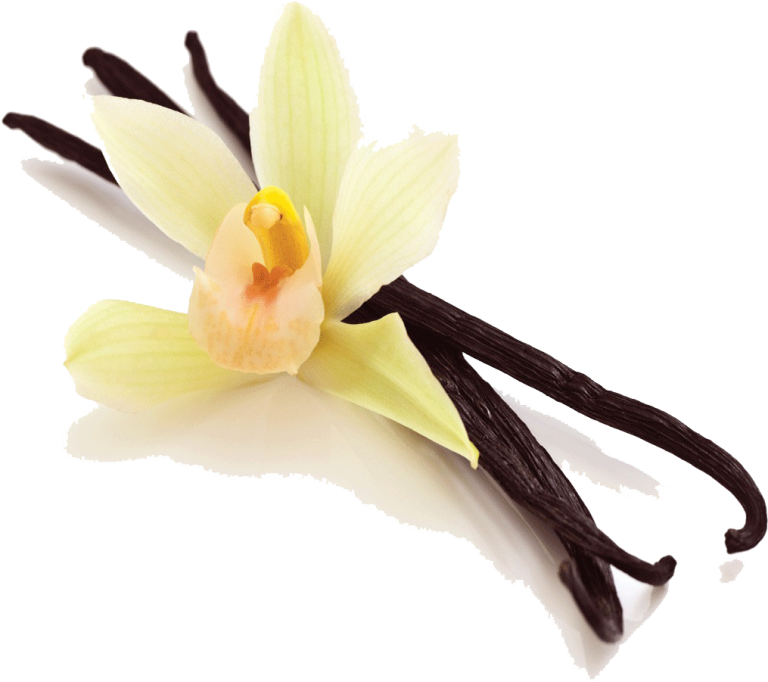
Natural vanilla comes from the cured pods of Vanilla planifolia, an orchid native to Mexico and now cultivated across Madagascar, Tahiti, and Indonesia. The curing process — which takes months — develops vanillin and dozens of other aromatic compounds that give natural vanilla its depth, warmth, and slight boozy richness.
In modern perfumery, most vanilla is synthetic. The primary materials are vanillin, ethyl vanillin, and custom vanilla accords built in fragrance labs. Natural vanilla absolute does exist and is used in high-end compositions, but it’s expensive, dark in color, and difficult to work with at scale.
The synthetic vs. natural question matters less than most buyers think. Synthetic vanillin can be exquisitely beautiful. Natural vanilla absolute can be overwhelming. What matters is execution — how the material is concentrated, what it’s blended with, and whether the perfumer understood its role in the composition before using it.
Why Vanilla Doesn’t Always Smell the Same
This is the question that confuses most buyers — and the answer is straightforward once you understand how vanilla behaves in a blend.
Vanilla is not a fixed scent. Depending on the material used, the concentration, and the supporting notes around it, vanilla can read as warm sugar, creamy milk, soft powder, smoky resin, woody sweetness, or something faintly boozy and dark. The same vanillin molecule smells completely different at 0.5% concentration versus 5%, and completely different again when surrounded by incense versus surrounded by white florals.
This is why Lattafa Raghba and Maison Asrar Vanilla Seduction can both be called vanilla fragrances and smell almost nothing alike on skin. Raghba’s vanilla is shaped by incense and woods into something smoky and atmospheric. Vanilla Seduction’s vanilla is lifted by plum and tonka into something soft and transitional. The note is the same. The composition determines everything.
Why Perfumers Use Vanilla So Often
Vanilla is one of the most structurally useful materials in perfumery — which is why it appears in far more fragrances than most people realize, including many that are never marketed as vanilla.
It softens sharp edges. A woody fragrance with harsh cedar or aggressive oud becomes more wearable with vanilla in the base. A screechy white floral becomes approachable. A cold citrus becomes warmer. Vanilla rounds things off without erasing the notes it’s supporting.
It extends longevity. Vanilla and its synthetic relatives are tenacious on skin. When they sit in the base of a composition, they anchor the lighter top and heart notes and keep them from disappearing too quickly. Many fragrances last as long as they do because vanilla is quietly holding the structure together.
It creates emotional familiarity. Vanilla is one of a small number of scent materials that humans appear to respond to instinctively — warmth, safety, comfort. Perfumers know this and use it accordingly. That emotional pull isn’t accidental. It’s designed.
The Vanilla Materials Worth Knowing
Not all vanilla materials behave the same way on skin or in a blend. The differences are worth understanding:
Vanillin — the most common synthetic vanilla. Clean, sweet, and slightly powdery. The vanilla you recognize from mainstream fragrances and baked goods. At high concentrations it can smell thin or synthetic.
Ethyl Vanillin — brighter and sharper than vanillin, with a creamier quality at lower doses. Often blended with vanillin for a rounder effect.
Vanilla Absolute — dark, resinous, and complex. Slightly boozy, slightly animalic, with a depth that synthetics rarely replicate. Used sparingly in niche and high-end compositions.
Bourbon and Madagascar Vanilla — origin-specific naturals with distinct characters. Bourbon leans rich and slightly alcoholic. Madagascar is sweeter and rounder. Both are used in fine fragrance but rarely in affordable releases.
When a vanilla smells harsh, thin, or plasticky, the issue is almost always concentration or supporting materials — not the vanilla itself.
Vanilla Across Fragrance Families
Vanilla appears across more fragrance families than most buyers expect:
Gourmand — where vanilla is often the star note, surrounded by caramel, chocolate, praline, or coffee to build an edible warmth.
Amber/Oriental — where vanilla deepens warm resinous compositions and adds a glowing sweetness to labdanum, benzoin, and incense.
Floral Gourmand — where vanilla softens florals and prevents them from turning sharp or cold.
Woody Gourmand — where vanilla and sandalwood or cedarwood create a structured sweetness with genuine depth and longevity.
Incense Vanilla — where vanilla plays a supporting role beneath smoke, resin, and woods, adding warmth without sweetness.
Understanding which family a vanilla belongs to is more useful than reading the note list — because the family tells you what the vanilla is doing in the composition, not just that it’s there.
Frequently Asked Questions About Vanilla in Perfume
Usually a concentration or balance issue rather than a problem with vanilla itself. Vanillin at high concentrations without adequate supporting notes can smell thin, sharp, or plasticky. Well-made vanilla fragrances surround the vanilla material with woods, resins, musks, or florals that give it depth and cohesion. When those supporting notes are absent or poorly blended, the vanilla has nowhere to go and the result is exactly the flat, synthetic quality most people are reacting to.
Almost always a base note — which is part of what makes it so useful structurally. Vanilla and its synthetic relatives are tenacious on skin, which means they anchor lighter top and heart notes and extend the longevity of the overall composition. When you smell a fragrance several hours into the wear and it still has presence, vanilla in the base is often doing that work quietly.
Vanillin is the most common synthetic vanilla material — clean, sweet, and slightly powdery. Vanilla absolute is the natural extract from cured vanilla pods — darker, more resinous, slightly boozy, and significantly more complex. Most affordable fragrances use vanillin or custom synthetic accords. Vanilla absolute appears occasionally in higher-end compositions but is expensive and difficult to work with at scale.
Because vanilla is a structural tool rather than a fixed ingredient. The same vanillin molecule smells completely different depending on concentration, supporting notes, and the fragrance family it’s placed in. Vanilla in a gourmand composition surrounded by caramel and praline smells like dessert. Vanilla in an oriental composition surrounded by incense and resin smells like atmosphere. The note is the same. The composition determines everything.
What This Means for Your Wardrobe
Vanilla becomes repetitive in a wardrobe not because you own too much of it but because most buyers collect it without understanding structural lane differences. Two vanillas can share almost identical note pyramids and still smell and wear completely differently on skin — which means buying by note alone is the fastest route to a shelf full of bottles that all feel like variations on the same thing.
The questions worth asking before any vanilla purchase aren’t about the note. They’re about the composition: What family does this belong to? What role does it serve? What does it do that nothing else in my wardrobe currently does?
A well-built vanilla wardrobe covers distinct functional lanes — creamy comfort, refined evening, transitional daily wear, textured winter anchor — and every bottle in it earns its place by filling a gap rather than repeating one. The vanilla fragrance wardrobe guide maps all four roles in detail if you’re ready to audit what you own and identify what’s actually missing.
Final Verdict
Vanilla works so well in perfumery because it does things no other material does as naturally — it softens, anchors, extends, and emotionally connects in a way that perfumers have relied on for over a century. That versatility is also why it’s so easy to overbuy and so easy to misunderstand.
The note isn’t the variable. The composition is. Two vanillas that smell nothing alike on skin are both doing their job correctly — they’re just doing different jobs. Understanding that is the difference between collecting vanilla and building with it.
Ready to put this into practice? The vanilla fragrance wardrobe guide maps four functional roles with specific examples — and the best affordable vanilla perfumes under $40 shows what each lane looks like at accessible price points.