How to Build a Vanilla Fragrance Wardrobe
This post contains affiliate links. I earn a small commission at no cost to you.
Most People Don’t Need More Vanilla. They Need Better Placement.
Most people don’t need more vanilla. They need better placement.
It’s one of the most seductive notes in perfumery — warm, familiar, endlessly wearable — and in the affordable and Middle Eastern fragrance space especially, it’s everywhere. The options are genuinely good. The prices make experimentation easy. And before long, the shelf is full of vanilla bottles that all smell pleasant, all feel comfortable, and all do more or less the same thing.
That’s not a vanilla wardrobe. That’s a vanilla collection. And the difference between the two is what this post is about.
Executive Summary
Vanilla becomes repetitive not because you own too much of it, but because most vanilla purchases fill the same emotional role rather than a functional one. Sweetness alone doesn’t create range. Defined roles do — and a vanilla fragrance wardrobe built around four distinct functions will outperform a shelf of ten similar bottles every time.
Key Takeaway: A functional vanilla fragrance wardrobe is built on contrast and defined roles — not sweetness alone. Four bottles filling four different functions will give you more range than ten bottles that overlap.
If you’re building a full fragrance wardrobe across all categories, the 10-bottle wardrobe framework covers vanilla in one or two slots — a creamy comfort anchor and a textured gourmand at most. This post is for the vanilla lover who wants to go deeper within that category. Think of it as a zoom-in: the 10-bottle framework is the macro wardrobe, and these four roles are how you build a structured vanilla sub-wardrobe within it. If vanilla is your dominant category — the one you return to most, spend most on, and want the most range from — this is the framework that prevents it from becoming repetitive.
Why Vanilla Collections Become Repetitive
Vanilla feels safe. That’s the problem.
It feels warm, approachable, and universally wearable — which is exactly why it’s so easy to overbuy without noticing. Each new vanilla seems different enough at the counter or in the decant. A little creamier, darker, and more caramel-forward. But worn in rotation over weeks, a pattern emerges: the same register of sweetness, the same projection, the same seasonal use, the same dry-down character arriving from slightly different directions.
The wardrobe stops expanding and starts repeating itself — and the frustrating part is that none of the individual bottles are bad. They’re just duplicating each other.
The fix isn’t fewer bottles. It’s clearer roles. Once you understand what function each vanilla is supposed to serve, duplication becomes visible before the purchase rather than after it. In an intentional fragrance wardrobe — where every bottle has a purpose, a performance level, and a scent profile — vanilla is no different from any other category. Structure first. Purchase second.
The Four Vanilla Roles That Build a Functional Wardrobe
Four roles. Each one fills a distinct function, prevents a specific kind of duplication, and builds contrast against the others. The goal isn’t to own exactly four bottles — it’s to ensure all four functions are covered before you consider adding anything else.
Role One: Creamy Comfort Vanilla
- Purpose: Casual wear and everyday warmth
- Projection: Soft to moderate
- Profile: Smooth, approachable, close-wearing
This is the vanilla most people already own — and the one most people duplicate without realizing it.
Creamy comfort vanillas are the bottles you reach for when you want warmth without effort. Amber-vanilla blends, lactonic compositions, softly gourmand combinations that sit close to the skin and create a quiet, familiar sweetness without demanding attention or occasion. They feel effortless because they are — which is precisely why they’re easy to collect in multiples.
The critical distinction within this role is that owning two bottles here isn’t automatically duplication — if they’re different enough from each other to create internal contrast. Lattafa Nebras and Lattafa Eclaire are both creamy comfort vanillas, but they’re distinct enough to coexist: Nebras leans cocoa and dark cream, Eclaire leans lactonic honey-vanilla with a soft caramel dry-down. That difference is enough to justify both. Three similar bottles in this register, however, is almost always redundancy.
If your vanilla shelf feels full but somehow samey — mid-sweet, cozy, similar projection, similar seasonal use — you’re likely over-indexed here. One strong bottle in this role, two at most with clear contrast between them, is the right number.
Signs you’re duplicating this role: Multiple vanillas that all feel cozy and soft, all project at similar levels, and all get reached for in the same contexts.
Role Two: Refined Evening Vanilla
- Purpose: Dressed-up sweetness with structure and shape
- Projection: Controlled but noticeable
- Profile: Polished, composed, deeper without being heavier
This is where vanilla stops being casual and starts feeling intentional.
Refined evening vanillas aren’t louder than comfort vanillas — they’re shaped differently. The sweetness is present but disciplined, supported by notes that give it edges: lavender or aromatic lift, soft spice, cacao adding darker warmth, woods or amber providing quiet depth underneath. The result is a fragrance that feels like a considered choice rather than a default reach.
Lattafa Angham fits this role naturally. The lavender opening gives it structure that most comfort vanillas don’t have, and the cacao-vanilla musk dry-down feels composed and polished rather than cozy and relaxed. It wears well in dressed-up settings precisely because it doesn’t collapse into pure sweetness — there’s an architecture to it.
This role is what most vanilla wardrobes are missing. If every vanilla you own feels soft and approachable, you don’t have range — you have repetition at varying sweetness levels. Refined evening vanilla creates the contrast that makes the rest of the wardrobe feel intentional rather than accidental.
Signs you’re missing this role: You love your vanilla collection at home, but it never feels quite right for dinner, events, or any occasion that asks for something more considered.
Role Three: Lighter Transitional Vanilla
- Purpose: Flexible wear across seasons and contexts
- Projection: Moderate
- Profile: Airy, luminous, balanced — warm without weight
Heavy winter vanillas overwhelm in mild weather. Ultra-light sugary vanillas disappear when the air cools. The transitional vanilla exists to bridge that gap — warm enough to feel intentional, light enough to avoid heaviness, and flexible enough to earn rotation across more months of the year than the other three roles combined.
These are typically floral-vanilla compositions, amberwood-based vanillas, or lightly sweet blends that carry warmth without density. Less milky, less enveloping, more lifted. The kind of fragrance that works in spring and fall without feeling forced in either direction — and that on the right mild winter day can hold its own without the heaviness of a cold-weather anchor.
A floral-leaning vanilla like Afnan Mystique Bouquet can serve this role depending on climate and personal styling. The defining quality isn’t a specific note profile — it’s the ability to move between seasons without asking the weather to cooperate.
Without this role, wardrobes tend to force heavy vanillas into mild air — or abandon vanilla altogether for months at a time. Either way, range suffers.
Signs you’re missing this role: Your vanillas feel perfect in deep winter and deep summer but somehow wrong in the months between.
Role Four: Textured Winter Anchor
- Purpose: Cold-weather depth, presence, and projection
- Projection: Moderate to strong
- Profile: Dense, enveloping, grounded — vanilla with weight and authority
Cold weather changes how vanilla behaves. Light sweetness disappears in cold air. What survives — and more than survives, what actually thrives — is density. Resin. Incense. Darker amber. Tobacco or deeper spice. Notes with enough structural weight to push through cold air and hold their shape rather than dissipating into it.
The textured winter anchor is where vanilla becomes atmosphere rather than dessert. The sweetness is still present, but it’s anchored by something that gives it staying power — and that anchoring is what separates a genuinely winter-capable vanilla from a comfort scent that simply gets worn in winter because nothing else is available.
Lattafa Raghba fits this role precisely. The incense shapes the sweetness, the woods ground it, and the overall effect is warm in a way that feels earned rather than applied. It doesn’t float. It settles. And in cold weather, that settling quality is exactly what a wardrobe needs its winter anchor to do.
Without this role, the wardrobe underperforms for months — either overusing comfort vanillas in conditions they weren’t built for, or defaulting to non-vanilla fragrances when the temperature drops because nothing in the collection has the weight to handle it.
Signs you’re missing this role: Your vanillas feel great indoors in winter but fade or feel thin the moment you step outside into the cold.
When the Wardrobe Is Complete
Once all four roles are filled, the framework for expansion becomes clear — and more importantly, the framework for not expanding becomes clear too.
A new vanilla earns its place only if it does one of three things: replaces an existing role with a meaningfully stronger option, offers genuine contrast that doesn’t currently exist in the collection, or extends seasonal range in a direction the wardrobe doesn’t yet cover. If it overlaps with something already owned without improving on it, it’s duplication regardless of how good it smells in isolation or how accessible the price point is.
This is the practical payoff of building with roles rather than impulse. Duplication becomes visible before the purchase, not after.
FAQ About the Vanilla Fragrance Wardrobe
Four well-chosen bottles covering the four functional roles — creamy comfort, refined evening, lighter transitional, and textured winter anchor. This will give you more range than ten overlapping options. The number matters less than whether all four functions are covered. Once they are, any additional vanilla purchase needs a clear justification beyond smelling good.
Because most vanilla purchases fill the same structural lane. They have the same sweetness register, projection level, and dry-down character — regardless of how different the note lists look on paper. Two vanillas can share almost identical note pyramids and serve completely different wardrobe functions. Conversely, two vanillas with different notes can smell and wear almost identically if they sit in the same lane. The solution is buying across lanes rather than within them.
The most meaningful differences are texture and density rather than notes. A creamy comfort vanilla is soft, approachable, and close-wearing. A refined evening vanilla is structured, polished, and composed. A transitional vanilla is light and breathable. A textured winter anchor is dense, resinous, and season-specific. Two vanillas that smell similar in the bottle can serve completely different wardrobe functions. It depends on which of these lanes they occupy.
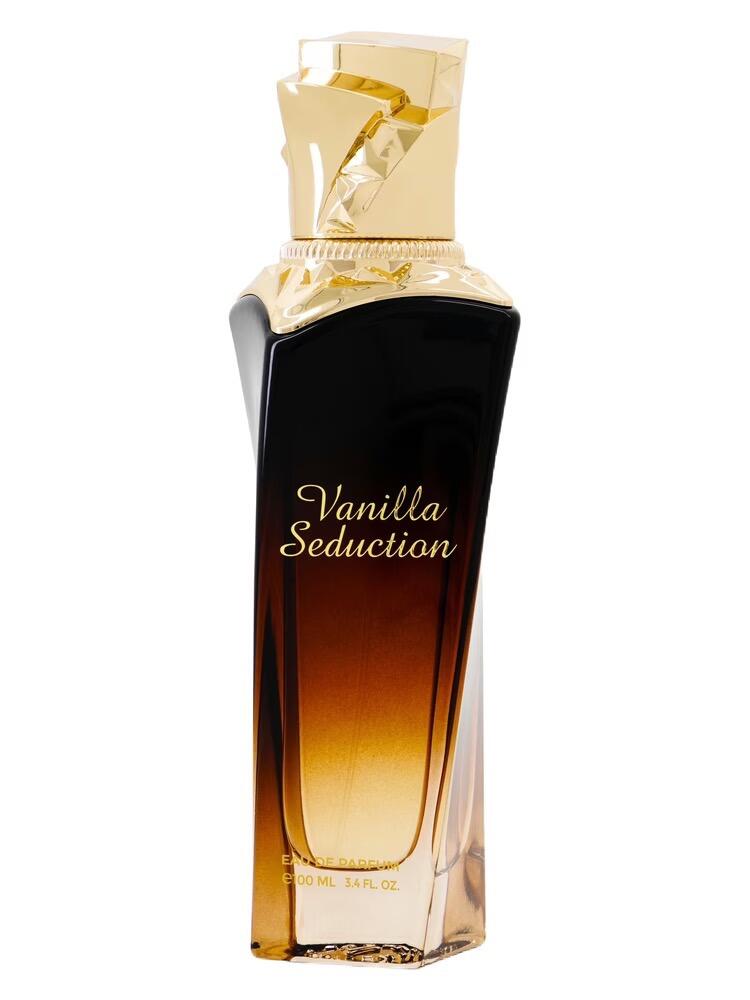
Depends on context. For casual everyday warmth, a creamy comfort vanilla like Lattafa Nebras. Sometimes, it is a professional or transitional setting where sweetness needs to stay restrained. Then, something earthy and musky like Afnan Mystique Bouquet. For a light, versatile everyday option that works across seasons, Maison Asrar Vanilla Seduction. The best everyday vanilla is the one that matches your specific daily context. It is not the one with the highest rating in isolation.
Before Buying Another Vanilla, Ask These Four Questions
These questions are worth applying to every vanilla purchase going forward. They are not a rigid gate, but a genuine check on whether the bottle earns its place.
- What role does this fill in my current wardrobe?
- What does it replace or improve on?
- What season does it serve that isn’t already covered?
- Does it increase contrast, or does it repeat a register I already own?
If the answers are unclear, the purchase is almost certainly repetitive. Repetition is the one thing a vanilla wardrobe cannot afford to accumulate more of.
Final Verdict
The vanilla category rewards structure more than almost any other fragrance family. The reason is that the emotional pull toward it is so strong. Also, the individual bottles are so easy to justify. Four roles. Four distinct functions. Four bottles that contrast rather than repeat.
That’s the difference between a vanilla collection that feels full and a vanilla fragrance wardrobe that feels complete. Once you’ve experienced the second, the first stops being satisfying.
Build the roles. Fill the gaps. Buy with intention.
Ready to audit your current vanilla collection against this framework? Start with our fragrance wardrobe guide for the full role-mapping process).