What Is Vanilla in Perfume? (And Why It Works So Well)
Vanilla is one of the most used and most misunderstood notes in perfumery. It can smell creamy, smoky, sugary, woody, airy, or dark depending on how it’s built. Most vanilla in perfume is synthetic, and that’s not automatically a bad thing. What matters is structure, support, and role inside the composition.
Key Takeaway
Vanilla isn’t just a “sweet note.”
It’s a structural tool. When blended intentionally, it adds warmth, cohesion, and emotional pull. When overused or poorly supported, it smells flat, plasticky, or overly sugary.
Where Vanilla Comes From
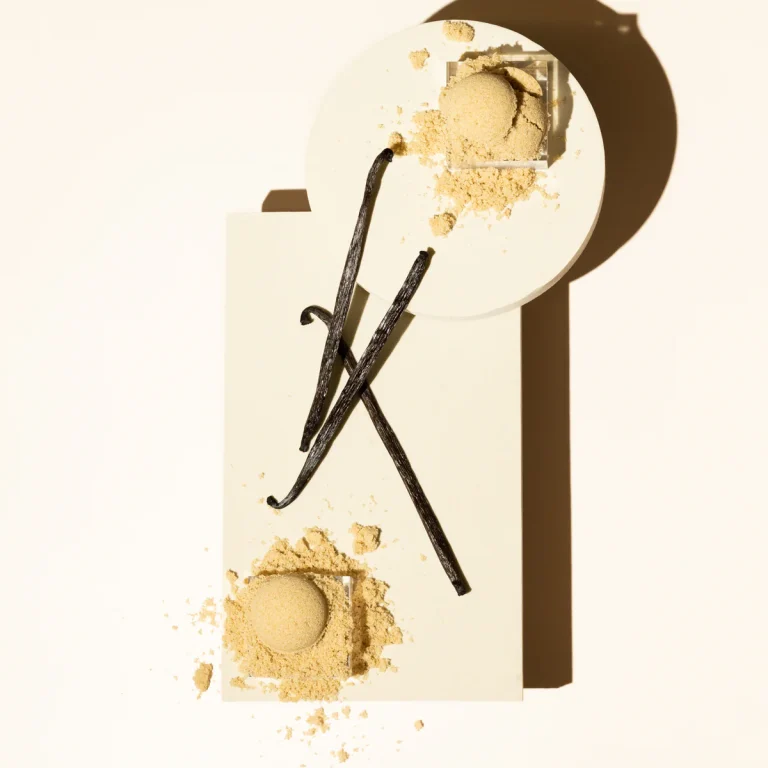
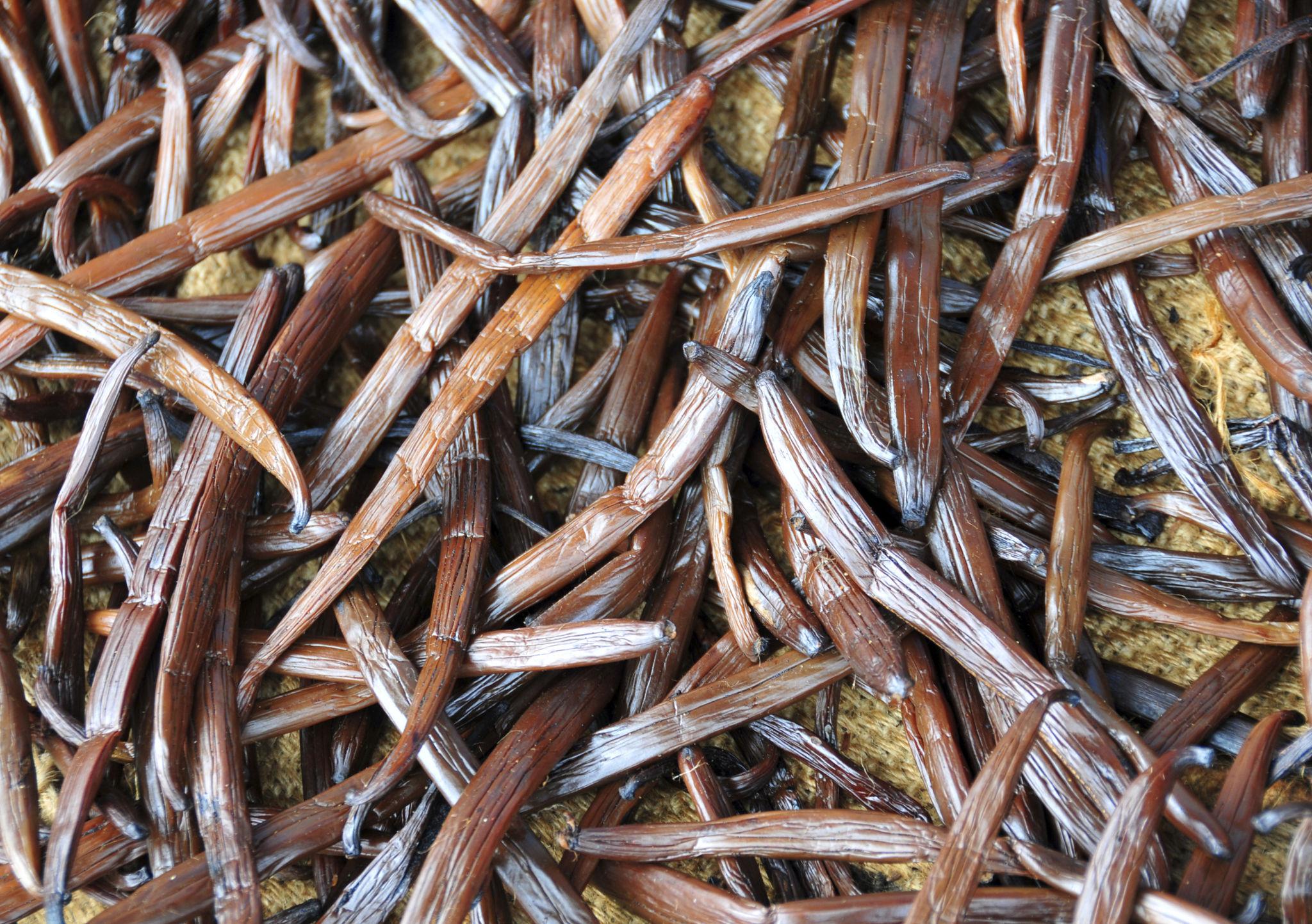
Natural vanilla is derived from the cured pods of the orchid Vanilla planifolia. The curing process develops vanillin and other aroma compounds that give vanilla its warmth and depth.
In modern perfumery, most vanilla notes are built using:
- Vanillin
- Ethyl vanillin
- Vanilla absolute (rare and expensive)
- Custom vanilla accords
Natural vanilla absolute is costly and unstable. Synthetic vanilla molecules are more consistent, longer lasting, and easier to shape. The issue isn’t “synthetic vs natural.” It’s execution.
(For a deeper breakdown of why some vanillas smell harsh or plasticky, see: Why Some Vanilla Perfumes Smell Synthetic.)
What Does Vanilla Actually Smell Like?
Vanilla is not one smell. It’s a spectrum.
Depending on composition, vanilla can read as:
- Warm sugar
- Creamy milk
- Soft powder
- Light spice
- Smoky resin
- Woody sweetness
- Slightly boozy warmth
This is why two “vanilla perfumes” can smell completely different.
Why Perfumers Use Vanilla So Often
Vanilla is a compositional anchor. It:
- Softens sharp florals and woods
- Extends longevity in the drydown
- Adds warmth without heaviness
- Creates emotional familiarity
- Blends well with almost every fragrance family
It often sits in the base, quietly holding everything together.
This is also why it appears in far more fragrances than you realize — even ones not marketed as “vanilla perfumes.”
Vanilla Across Fragrance Families
Vanilla shows up in multiple categories:
Gourmand – edible, dessert-style blends
Amber / Oriental – warm, glowing sweetness
Floral Gourmand – softened florals with creamy base
Woody Gourmand – structured sweetness with depth
Incense Vanilla – smoky, atmospheric compositions
Understanding the family matters more than the label.
Types of Vanilla You’ll Encounter
Not all vanilla materials behave the same:
- Bourbon Vanilla – Rich, creamy, slightly boozy
- Madagascar Vanilla – Sweet and rounded
- Vanilla Absolute – Dark, resinous, sensual
- Vanillin – Clean, sugary
- Ethyl Vanillin – Brighter, sharper sweetness
If a vanilla smells thin or screechy, it’s often a concentration or balance issue, not the note itself.
Who Should Wear Vanilla?
Vanilla works well for:
- People building a structured fragrance wardrobe
- Those who prefer warmth over sharp freshness
- Cold weather scent rotations
- Intimate settings
- Layering bases
Vanilla is rarely offensive. But it can become redundant if you own multiple bottles that serve the same function.
(See: How to Build a Vanilla Wardrobe.)
Performance Expectations
Vanilla-heavy fragrances typically offer:
- Longevity: Moderate to long
- Projection: Soft to moderate
- Sillage: Intimate to noticeable
Performance depends heavily on supporting materials: woods, resins, musks, or amber structures.
Vanilla Layering Strategy
Vanilla is one of the most versatile layering tools.
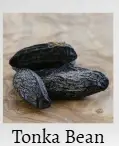
- Vanilla + Tonka → Ultra-cozy warmth
- Vanilla + Woods → Mature balance
- Vanilla + Florals → Soft romance
- Vanilla + Incense → Atmospheric depth
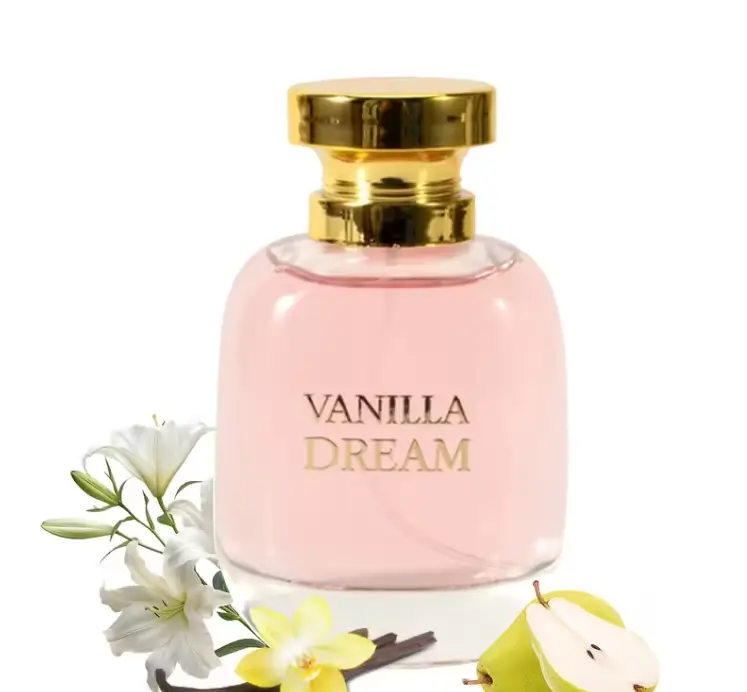
- Vanilla + Fruits → Playful gourmand
The goal is contrast, not duplication.
Final Thoughts
Vanilla is timeless because it works.
It makes compositions feel complete. It bridges sweetness and structure. It adds emotional pull without demanding attention.
But not all vanilla perfumes deserve space in your wardrobe.
The question isn’t: Do you like vanilla?
The question is: What role does this vanilla play?
Build with intention.