Why Some Vanilla Perfumes Smell Harsh or Synthetic (And Others are Addictive)
Not all vanilla perfumes fail because of skin chemistry. Most harsh vanilla comes from poor structure, low-quality materials, or aggressive spice and resin in the opening. Smooth vanilla isn’t louder — it’s better engineered.
Key Takeaway: If a vanilla smells synthetic, the problem is rarely the note — it’s the construction.
Vanilla Is Beloved — and Frequently Ruined
Vanilla is one of the most popular notes in perfumery. It’s also one of the easiest to misconstruct.
When blended properly, vanilla smells:
- Creamy
- Warm
- Soft
- Comforting
- Addictive
When blended poorly, it smells:
- Plasticky
- Burnt
- Rubbery
- Thin
- Artificial
If you think vanilla “doesn’t work on you,” that’s usually incorrect. Vanilla is not fragile. It is unforgiving.
The Reality: Most Vanilla Is Synthetic
Natural vanilla absolute is:
- Expensive
- Unstable
- Difficult to scale
Most perfumes rely on vanilla aroma molecules instead. Some are smooth and elegant. Others are sharp and industrial. The difference isn’t imagination. It’s material quality and structural support.
Vanilla without structure feels cheap.
Vanilla with structure feels expensive.
1. Weak Structure Creates Harsh Openings
Vanilla turns synthetic when:
- It’s exposed too early
- It isn’t cushioned by woods or musk
- Sweetness is pushed without warmth underneath
That sharp, plasticky first spray? That’s unsupported vanilla.
Well-constructed vanilla is buffered by:
- Tonka
- Soft amber
- Musk
- Sandalwood
- Lactonic notes
Without grounding, vanilla reads thin. With grounding, it reads luxurious.
2. Aggressive Spice Disrupts Vanilla
Vanilla pairs beautifully with spice — when spice behaves.
High-risk spices:
- Black pepper
- Pink pepper
- Saffron
- Clove
- Elemi
If spice dominates the opening, vanilla never gains control.
Instead of warmth, you get:
- Metallic edges
- Bitter heat
- Rubber-like sharpness
Some perfumes improve in the drydown. Most buyers never wait. A harsh opening breaks emotional trust.
3. Resin and Smoke Can Turn Vanilla “Burnt”
Vanilla + resin can be stunning. Or harsh.
High-impact resins:
- Olibanum
- Myrrh
- Labdanum
- Elemi
If smoke arrives before sweetness is established, the vanilla reads burnt instead of warm.
This is where the “burnt rubber” effect often comes from. It isn’t that vanilla failed. It was overpowered.
4. The Opening Determines Wearability
A fragrance should not:
- Shock first
- Soften later
- Require patience to become pleasant
Even if the drydown improves, most people decide within seconds. Well-engineered vanilla feels cohesive from the first spray. That cohesion is intentional.
5. Skin Chemistry Can Amplify Weak Blends
Vanilla reacts strongly to:
- Heat
- Oil
- Naturally spicy skin chemistry
If the formula is already sharp, warm skin amplifies the harshness.
This is why blind-buying vanilla is riskier than people assume. Testing on skin matters.
How to Identify Smooth Vanilla Before Buying
Usually Safe Pairings
Vanilla feels smoother when paired with:
- Tonka bean
- Soft amber
- Musk
- Milk / lactonic accords
- Sandalwood
- Cashmere woods
These ingredients round the edges.
They create cushion.
High-Risk Pairings
Approach carefully when you see:
- Pepper-heavy openings
- Resin-forward intros
- Smoke without sweetness
- Aggressive spice up top
These blends aren’t automatically bad. But they require precision. Budget formulas rarely achieve it.
If you’re looking for smoother options, see my full guide to the best vanilla perfumes under $40
Structural Difference: Smooth vs Harsh Vanilla
Smooth Vanilla
- Buffered by woods or musk
- Introduced early and supported
- Warm, rounded opening
- Balanced spice
- Cohesive development
Harsh Vanilla
- Exposed without cushion
- Dominated by pepper or resin
- Sharp first spray
- Disjointed evolution
Addictive vanilla isn’t louder. It’s better engineered.
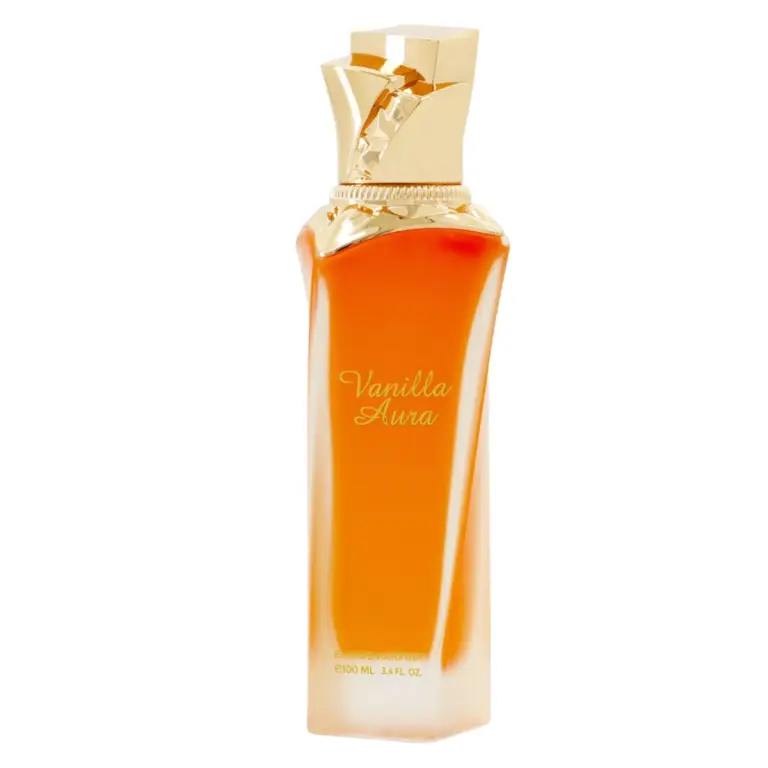
Vanilla Aura is an example of how structure (or lack of it) changes perception.
Final Takeaway
When a vanilla perfume smells harsh or synthetic, it’s rarely because vanilla “isn’t for you.”
It’s usually because:
- The vanilla material is low quality
- The opening is spice-heavy
- Resin overwhelms sweetness
- Structure was sacrificed for drama
Vanilla is not the problem.
Execution is.