How to Tell If a Cheap Perfume Is Worth Buying (Intentional Buying Framework)
A cheap perfume is not automatically a bad purchase — but most budget buys are unintentional ones. The real issue is not price. Its purpose, performance alignment, and placement inside your fragrance wardrobe.
If you can’t clearly explain why a scent deserves space in your rotation, it’s probably clutter.
Key Takeaway
Cheap perfume becomes expensive when it’s repetitive, impulsive, or undefined.
An intentional budget fragrance has a clear role, realistic performance expectations, and repeat wear value.
The Problem With “It’s Only $10.”
Cheap perfumes trigger a powerful mental shortcut:
“It’s so affordable… why not?”
Low price reduces friction.
Reduced friction increases impulse.
Impulse increases clutter.
You don’t feel the decision.
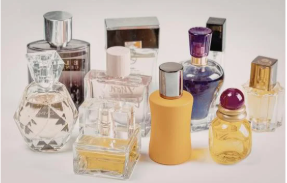
Until you have 12 bottles you barely wear.
That isn’t fragrance collecting.
That’s accumulation.
What Makes a Cheap Perfume Intentional?
An intentional cheap perfume passes at least 3 out of these 5 tests.
If it doesn’t — it’s probably impulse.
1. It Fills a Genuine Gap
Does it serve a role you don’t already have?
- Soft layering base
- Gym scent
- Office-safe vanilla
- Travel fragrance
- Experiment category
If it duplicates something you already own, it isn’t adding range — it’s adding redundancy.
2. It Has a Defined Function
Every intentional fragrance — especially a budget one — needs a job.
Examples:
- Layering enhancer
- Seasonal placeholder
- Budget daily reach
- Mood-specific scent
If you can’t describe its purpose in one sentence, it probably doesn’t have one.
Undefined fragrances are the fastest way to create clutter.
3. Performance Matches Expectation
You don’t need 10-hour longevity from a $9 perfume.
You do need alignment.
If it performs exactly as expected — and you planned for that — it’s intentional.
If you are constantly disappointed?
You bought hope.
Not strategy.
4. The Blend Is Stable
Budget perfumes fail most often in blend quality.
An intentional cheap perfume:
- Doesn’t turn sour
- Doesn’t spike synthetic
- Doesn’t collapse into sharp alcohol
It may be simple.
But it should not be chaotic.
5. It Has Repeat Wear Value
Ask yourself:
Have I willingly reached for this 3+ times?
If not, it’s a novelty — not a wardrobe piece.
Novelty wears off.
Wardrobe pieces integrate.
The 60-Second Intentional Test
Before buying, ask:
- Does this fill a real gap?
- Would I still want it if it weren’t trending?
- Can I explain its role in one sentence?
- Will I realistically wear it five times?
If you hesitate on most of these — pause.
The $25 Reality Check
Three $9 perfumes you barely wear = $27.
That is often the price of one solid mid-tier fragrance you would actually use.
Cheap becomes expensive when it’s repetitive.
Intentional Cheap vs Impulse Cheap
| Intentional | Impulse |
|---|---|
| Has a defined role | Bought because it’s trending |
| Matches wardrobe needs | Duplicates something you own |
| Meets performance expectations | Disappoints repeatedly |
| Gets worn | Sits untouched |
The Real Goal: Wardrobe Clarity
Your fragrance collection should feel:
- Functional
- Cohesive
- Rotatable
- Purposeful
Cheap perfume is not the problem.
Unstructured buying is.
If you cannot define a perfume’s role in your wardrobe, you don’t need it.
Before your next budget purchase, run it through this framework.
If it passes — buy with confidence.
If not — keep your money.