You Have a Full Shelf. So Why Is Getting Dressed Still Hard?
This post contains affiliate links. I earn a small commission at no cost to you.
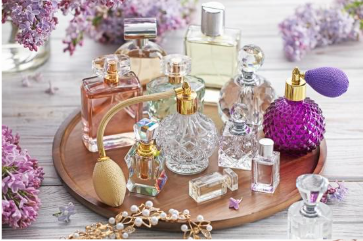
I used to stand in front of my perfume shelf every morning, feeling vaguely stuck. Not because I didn’t have anything. I had plenty. I just didn’t have a system, so every choice felt equally valid and, somehow, equally wrong. I’d pick something, walk out the door, and spend half the day half-wishing I’d grabbed something else.
That’s not a taste problem. That’s a structure problem. And the fix isn’t buying more. It’s building with intention. Last updated and re-tested spring 2026, this is the complete fragrance wardrobe framework behind every review on this site.
Executive Summary
A fragrance collection is an accumulation of bottles that smell good. A fragrance wardrobe is a system where every bottle has a job, seasonal gaps are covered, and you always have exactly the right thing to reach for. The difference is smaller than it sounds and changes everything about how you shop and wear. This post lays out the 10-role framework I use to build and evaluate my own wardrobe. Not 10 bottles as a hard limit, but 10 defined functions that make sure your collection covers every season, occasion, and mood without unnecessary overlap.
Key Takeaway: A fragrance wardrobe is built on contrast and purpose, not quantity. Ten intentionally chosen roles will outperform thirty overlapping bottles, every time.
Collection vs. Wardrobe: Why the Distinction Matters
A collection often looks complete from the outside. But worn in rotation, a pattern emerges: multiple vanillas that smell nearly identical, several gourmands sitting in the same sweetness register, fresh scents that blur together by Tuesday.
None of those bottles are bad. They just repeat the same experience. And repetition isn’t range. It’s the illusion of range.
A wardrobe is built around contrast. Each bottle fills a defined role. You have something for a quiet office morning and something for a winter evening out, something for the days you want to disappear into a skin scent and something for the days you want to walk into a room and be noticed. That kind of coverage doesn’t require a huge collection. It requires an intentional one.
The 10-Role Fragrance Wardrobe Framework
Ten roles. Each one is a function your wardrobe should cover — not a rigid scent category. The same role can be filled by completely different fragrance families depending on your skin chemistry, your lifestyle, and your climate. What matters is that the function is covered.
One thing before we get into it: this is my personal wardrobe, built around my climate, my taste, and the fragrances I’ve actually worn on my skin and reviewed here. Nine of the ten roles are universal. Role 6 is specific to my niche and point of view. I’ll tell you exactly why I added it, and how to think about what your own version should be.
And one more: a role can have more than one bottle. A primary and a rotation piece are both fine, as long as each offers something genuinely different within that function. The test is simple. Would you reach for each at different times for different reasons? If yes, both belong. If one always wins, the other is a duplicate, not a rotation.
The 10 Wardrobe Roles: How to Build a Fragrance Wardrobe That Actually Works
Role 1: Creamy Comfort Anchor
Every wardrobe needs one bottle that asks nothing of you. No decision-making, no mood-matching, no occasion to dress for. Just warmth and familiarity when you want to smell good and move on. Vanilla-based, lactonic, or gently ambered. The thing you reach for on a Tuesday when you’re already running late.
Without this role filled, I noticed I was reaching for my most complex fragrances on the days I had the least bandwidth for them. That’s how you burn out on a bottle you actually love.
My bottle: Lattafa Nebras Elixir. Milk candy, whipped cream, heliotrope, soft vanilla ambroxan. Zero effort, maximum comfort. [Shop Nebras Elixir]
Rotation: Rayhaan Kiss for a fruitier, dessert-forward version of this same comfort mood. Same role, genuinely different texture. [Shop Rayhaan Kiss]
Role 2: Refined Evening Option
The fragrance that signals a choice was made. Deeper, richer, more deliberate than your daily rotation: not because it’s expensive, but because it reads like intention. There’s a difference between a fragrance you put on and one you select. This role lives in the second category, and it needs to work year-round, not just when the temperature drops.
I think of this as the bottle that makes getting dressed feel like something worth doing, whether it’s October or April.
My bottle: Lattafa Angham. Ginger, mandarin, and pink pepper open bright enough to carry through warmer months, while the lavender-praline-cocoa heart and vanilla-amber base give it the warmth and weight that makes it feel like a real choice. Full breakdown on Fragrantica. [Shop Lattafa Angham]
Role 3: Versatile Daytime Wear
The workhorse. Context-neutral, repeat-wear friendly, never wrong for the room. Office, errands, a coffee meeting, an afternoon that could go anywhere. This isn’t about freshness specifically; it’s about a fragrance that never demands an explanation, never requires an occasion, and never makes you second-guess whether you chose right.
I know exactly what this bottle is supposed to feel like, because I had it and finished it. Vera Wang is the clearest example in my collection of a fragrance that just works: lily, lily of the valley, gardenia, rose, jasmine, lotus, iris, sandalwood. Clean, soft, genuinely wearable in any season without adjustment. I used the whole bottle. Rebuy is confirmed and in progress.
My bottle: Vera Wang. Lily, lily of the valley, gardenia, rose, jasmine, lotus, iris, sandalwood. Nothing demanding, nothing seasonal, nothing that needs explaining. Just a fragrance that works every single time. [Shop Vera Wang]
Rotation: Origen Amalfi Love Bloom for warm weather. Rose, pear, and pink pepper open brighter and fruitier than Vera Wang, with an orange flower and jasmine heart that keeps it light and easy. It steps into this slot in spring and summer when you want something with a little more lift, and steps back when Vera Wang returns. [Shop Origen Amalfi Love Bloom]
Role 4: Warm Weather Option
This role covers the full warm-weather window: not just peak summer, but April when heavy fragrances feel oppressive and September when winter depth feels premature. Bright and uplifting, energetic rather than cooling. If your wardrobe has a warm-weather gap, you’ll feel it every single spring and wonder why everything smells wrong.
My bottle: Afnan Mystique Bouquet: White peach, mandarin, bergamot, and litchi open bright and immediately seasonal, moving into peony and orange blossom before settling into a vanilla and oak moss base that keeps it grounded without going heavy. It’s the most elegantly put-together warm weather fragrance in the current rotation, and it earns that primary slot every time the temperature climbs. [Shop Afnan Mystique Bouquet].
Rotation: Armaf Club de Nuit Maleka. Lychee, bergamot, and pink pepper into orris, landing on praline, sandalwood, and ambroxan. Brighter and lighter than Mystique Bouquet, with a skin-close dry-down that makes it the better pick for days when you want warm weather presence without the fuller floral weight. Same season, noticeably different mood. [Shop Armaf Club de Nuit Maleka]
Role 5: Cold Weather Depth Anchor
The richest fragrances fully exhale in cold air. Amber, incense, woods, and resins open up in a way that just doesn’t happen in warmer months, and a wardrobe without something built for that quietly underperforms for five months of the year. I didn’t understand this until I tried wearing Amber Rouge in July. Don’t do that.
My bottle: Khadlaj Empire Regent. Saffron, nutmeg, and bergamot open with real intention, moving into lavender, labdanum, and patchouli before landing on leather, sandalwood, and cashmeran. Rich, deliberate, and completely at home in cold air. This is the bottle I reach for when I want the season to feel like a choice. [Shop Khadlaj Empire Regent]
Rotation: Orientica Amber Rouge. No seasonal ambiguity in the bottle itself — saffron, amberwood, ambergris, fir resin, cedarwood is a winter construction from top to base. But it earns its place in spring and fall when the temperature calls for it. Full review: Orientica Amber Rouge review. [Shop Orientica Amber Rouge]
Role 6: Middle Eastern Signature
This is the role I added specifically for my wardrobe, and the one that makes it mine rather than a framework anyone could have built. One bottle that represents the Middle Eastern fragrance aesthetic at its most intentional: oud, incense, saffron-wood construction, or a rich Arabic-style composition built entirely in that tradition. Not oud as a supporting note in an otherwise Western fragrance. A bottle that belongs to that world from the first spray.
My bottle: Lattafa Opulent Oud. Saffron and cinnamon open with warmth and spice, moving into an oud and rose heart before landing on oud, amber, and cedarwood. No Western fragrance DNA pulling it in another direction. This is oud from top to base, built entirely in the Middle Eastern tradition. Clean, intentional, and exactly what this slot is for. [Shop Lattafa Opulent Oud]
Rotation: Lattafa Mashrabya. Apple shisha accord, tobacco, cinnamon, and dates into oud smoke, caramel, vanilla, and patchouli. Darker and smokier than Opulent Oud, with a character that’s distinctly its own. A genuinely different mood within the same cultural tradition — worth bringing back in a full bottle. [Shop Lattafa Mashrabya]
What’s your Role 6? This is the slot where a generic framework becomes specifically yours. A vintage anchor, a soliflore signature, a natural perfumery position. The structure is universal. What you put here belongs only to your wardrobe.
Role 7: Textured Gourmand
A flat gourmand – straight sweetness, nothing to anchor it – gets exhausting fast. You love it the first week, and by week three, you can’t explain why you’re not reaching for it. A textured gourmand earns repeated wear because there’s always another layer to find: the spice behind the sugar, the coffee sharpening the praline, the patchouli keeping the vanilla from collapsing into dessert.
This is the role where I’ve spent the most time, because I kept confusing “smells good in the bottle” with “actually earns its place in rotation.”
My bottle: Lattafa Khamrah Qahwa. Coffee, cinnamon, cardamom, praline, tonka, benzoin. The spice and coffee give the sweetness real backbone — this is the clearest example in the collection of sweetness that earns its complexity rather than just announcing it. [Shop Lattafa Khamrah Qahwa]
Rotation: Gulf Orchid Vanilla on the Beach. Liquor, pear, and davana open with an unusual richness, moving into dried fruits, spicy notes, and patchouli before landing on vanilla, amber, and tonka. The patchouli and spice give the vanilla the same kind of structural backbone Khamrah Qahwa gets from coffee. This one runs cold. It belongs in fall and winter rotation, which makes it a genuinely different mood from Khamrah Qahwa rather than a duplicate of it. [Shop Gulf Orchid Vanilla on the Beach]
Rotation: Khadlaj Island Vanilla Dunes. Warm-spiced bourbon complexity – cinnamon, cardamom, and bergamot into orange blossom and guaiac wood, landing on praline, amber, and musk. Lighter and warmer than the other two, with a character that bridges gourmand and oriental without fully committing to either. Different enough to earn its place alongside both. [Shop Khadlaj Island Vanilla Dunes]
Role 8: Clean Skin Scent
Soft, subtle, close-wearing. The fragrance that feels like an extension of you rather than something you’ve put on. This is what you reach for in professional settings, on quiet days, in any moment when you want scent to feel intimate rather than projected. The best skin scents are only fully noticed by the people closest to you, and that’s exactly the point.
My bottle: Vera Wang. Lily, lily of the valley, gardenia, rose, jasmine, lotus, iris, sandalwood. Nothing demanding, nothing seasonal, nothing that needs explaining. Just a fragrance that works every single time. Currently in the process of rebuying — this slot has been mine for long enough that losing it felt like losing a wardrobe staple, which is exactly how you know a bottle belongs here. [Shop Vera Wang]
Rotation: Revlon Charlie Silver. Green notes and pear open quietly, moving into lily and magnolia before settling into amber, musk, and woods. Close-wearing from the first spray, never assertive, never wrong for the room. At $6.92, it’s the most accessible bottle in the entire wardrobe, and it earns its place fully. Proof that this role has nothing to do with price and everything to do with how a fragrance sits on your skin. [Shop Revlon Charlie Silver]
Role 9: Experiment Slot
One designated slot for curiosity. Trending fragrances, unusual combinations, seasonal risks – they all live here. If the experiment proves itself over time, it graduates into a defined role. If it doesn’t, it wears out without disrupting the rest of the wardrobe.
This slot has saved me from buying three bottles of something I only liked for two weeks. One slot, infinite curiosity, no chaos.
My bottle: Lattafa Fakhar Gold. Grapefruit, cardamom, pink pepper, tuberose, leather, cashmeran. The most structurally different fragrance in my current rotation. No rebuy decision yet, which is exactly right for this slot. [Shop Lattafa Fakhar Gold]
Role 10: Layering Base
Doesn’t need to be interesting alone. It needs to make everything else more interesting. Sits underneath more complex fragrances and adds warmth and depth without competing. A good layering base makes a 10-bottle wardrobe feel like 15.
My bottle: Maison Asrar Vanilla Seduction. Warm amber-vanilla-tonka base with plum and caramel. Sits underneath almost everything and makes it richer.
Worth mentioning: my current favorite layering combination actually uses Vanilla Aura under Her Confession rather than Vanilla Seduction. The citrus quality Vanilla Aura throws on my skin transforms the whole composition in a way I didn’t see coming. That pairing is 4.5/5. Vanilla Aura is a no-rebuy as a standalone, but as a layering tool, it’s genuinely exceptional while it lasts.
Why This Works: The Practical Payoff
Once your roles are filled, duplication becomes visible before you spend money. A fourth vanilla stops feeling like an addition and starts feeling like an overlap, and you catch it before checkout rather than after. That shift happened faster than I expected when I started using this framework. It’s not willpower. It’s just having a structure.
New bottles earn their place by meeting at least one condition:
- It fills a genuine gap in your current role coverage.
- It meaningfully upgrades something already filling a role.
- It adds genuine contrast within a role: a different mood or occasion the primary doesn’t cover.
- It replaces a finished bottle in an established role.
Purchases driven by hype, a good price, or the pull of a recommendation rarely improve a wardrobe. I’ve made all three of those mistakes more than once. They add to the shelf count without adding to the range, and range is the only metric that actually matters when you’re standing there every morning trying to choose.
Frequently Asked Questions
A structured collection where every bottle has a defined purpose, a clear seasonal role, and something to contribute that the others don’t. As opposed to a fragrance collection, which is simply an accumulation of bottles that smell good. A wardrobe works as a system. A collection is a shelf.
There’s no universal number. The goal is making sure every bottle has a purpose and no two are doing the same job. Some roles will naturally have a primary and a rotation piece — that’s healthy range as long as each offers something genuinely different. Once all ten roles are covered, a new bottle earns its place only by filling a genuine gap.
Assign roles before you buy, not after. Once every bottle has a defined job, duplication becomes obvious before you spend the money rather than after. The most common cause of duplication is shopping by note or mood rather than function.
Yes — a primary and a rotation piece, as long as each offers something meaningfully different within that function. Same role, different moods. If you can’t articulate why you’d reach for one over the other, the second bottle is a duplicate, not a rotation.
The structure, yes. The specific contents, no. Nine roles are universal. Role 6 — the Middle Eastern Signature — is specific to my niche and point of view. Yours might be a vintage anchor, a soliflore slot, a natural perfumery position. The framework is a set of questions, not a shopping list. What does your wardrobe need to do for you? Start there.
Final Verdict
A fragrance wardrobe isn’t defined by how many bottles are on the shelf. It’s defined by the clarity of roles and the contrast between them. Ten intentionally chosen roles – each covering a defined function, each filled with something that offers what the others don’t – will outperform thirty overlapping bottles in every practical measure: versatility, satisfaction, and the simple pleasure of always having exactly the right thing to reach for.
Every review on this blog is evaluated through this lens. Not just does it smell good, but does it earn a place. Understanding that framework is the foundation everything else here builds on.
[Shop all reviewed fragrances on Amazon]
If you’re building your wardrobe from scratch, the Orientica Amber Rouge review is a good place to start for cold-weather depth. It’s one of the clearest examples of what a role-defining bottle looks like. And if you’re still in the accumulation stage and wondering whether the bottles you already own are actually pulling their weight, the wardrobe framework post on what makes a fragrance dupe worth buying will help you think through it.