Layering Fixes: How to Improve Weak or Disappointing Perfumes
This post contains affiliate links. I earn a small commission at no cost to you.
Three Real Experiments Taught Me More Than Any Generic Advice Could
Not every disappointing perfume needs to go in the donate pile. Some of the most useful things I’ve learned about layering came from fragrances that weren’t working on their own, tested in actual combinations rather than theorized about. This isn’t a list of ingredient categories to throw at a problem. It’s three real experiments, what worked, what didn’t, and why the difference matters.
Executive Summary
Layering isn’t about adding more scent, it’s about correcting what’s missing, and the only way to know if a combination will work is to actually test it. Below are three real layering experiments from my own wear testing: one where a thin, underwhelming fragrance became genuinely useful once I stopped trying to fix it and started using it as a tool instead, one where a heavy, intense fragrance got real relief from a lighter partner, and one where adding richness to an already-complete fragrance made it worse, not better.
Key Takeaway: The fix isn’t always making a weak fragrance stronger. Sometimes the fix is figuring out what job it’s actually good at.
When a Thin Fragrance Becomes a Tool, Not a Problem
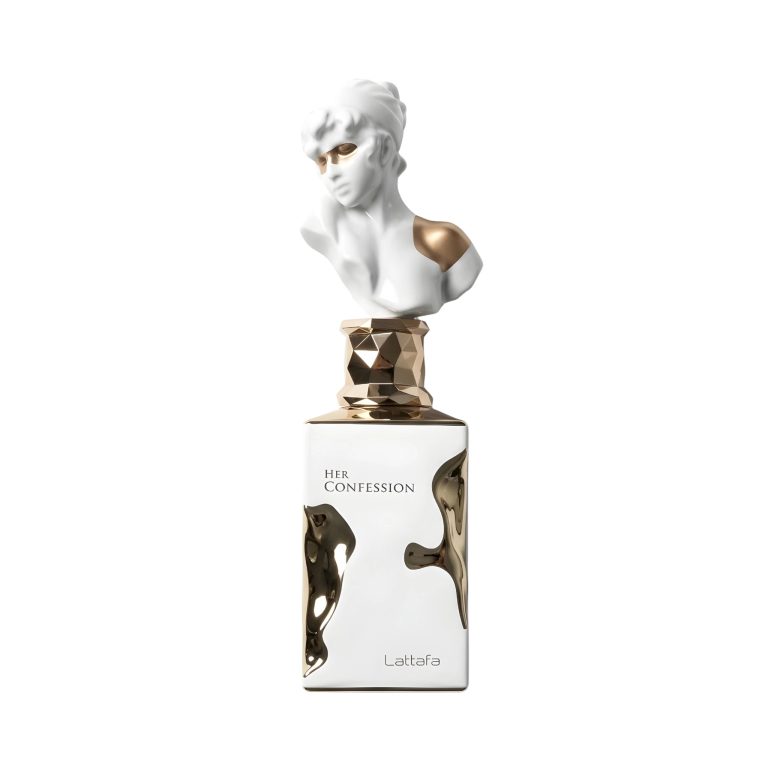
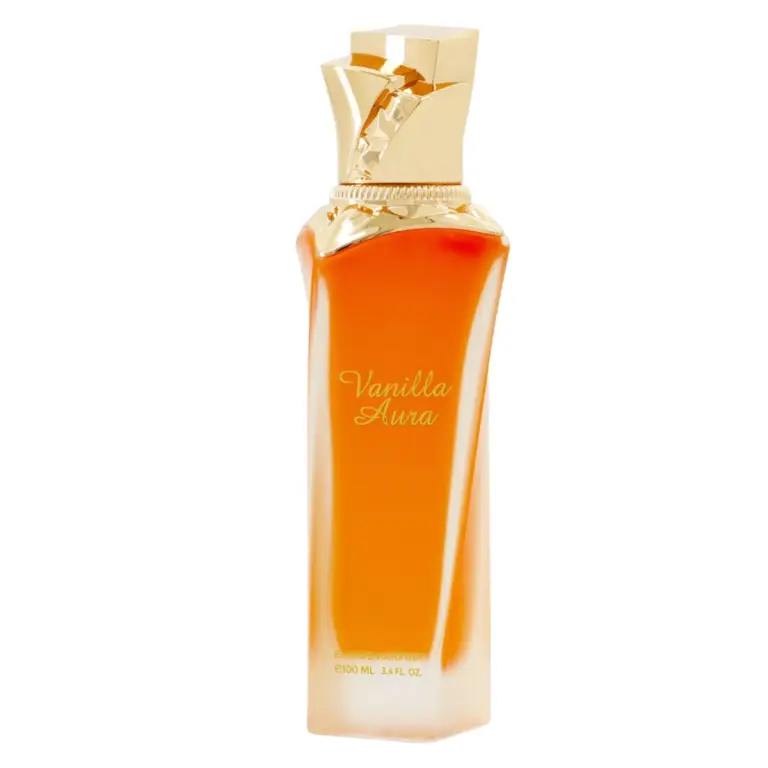
Maison Asrar Vanilla Aura never fully clicked for me as a standalone fragrance. It leads with citrus rather than vanilla, and on its own, that made it feel incomplete. Layered with Lattafa Her Confession, that citrus-forward character stopped being a disappointment and became exactly what the combination needed.
The bergamot and lemon lifted Her Confession’s spiced tuberose in the opening, adding a brightness the denser fragrance doesn’t have on its own, and as the wear developed, the citrus handed off to the vanilla underneath, leaving tuberose and spice sitting on a warmer, sweeter base than usual. Rated 4.5 out of 5, this is the combination that finally showed what Vanilla Aura is actually for. Not a standalone vanilla. A citrus brightening tool for something denser and more complex.
The application mattered here: Her Confession went on skin and pulse points first, with a light spray on the collar and shoulders, then Vanilla Aura layered directly on top of the same skin while it was still warm, none on clothing. Her Confession needed to establish itself before the citrus could add brightness instead of competing with it.
The principle: if a fragrance feels thin or incomplete on its own, don’t assume it needs more added to it. Try pairing it with something that already has body and letting the thin fragrance do the one thing it’s actually good at.
When a Heavy Fragrance Needs Real Relief
Khadlaj Empire Regent is dense, leathery, and unapologetically heavy, genuinely impressive in cold weather but prone to tipping into cloying territory in warmth or with a heavy hand. Layered with Vanilla Aura, the fix showed up, but it took patience. The first hour belonged entirely to Regent, with Vanilla Aura sitting quietly underneath and no indication a second fragrance was even involved. It wasn’t until Regent began to dry down that the vanilla’s sweetness pushed through and softened the leather right at the moment it tends to turn cloying.
Placement was deliberate: Regent on the back of clothing and shoulders, with fabric slowing its projection, Vanilla Aura directly on neck, chest, and pulse points, skin only. On the wrists, both layered together, Regent first while skin was still warm. Rated 3 out of 5, the honest read is that this combination improved Empire Regent considerably more than it improved Vanilla Aura, and it only works in cold weather, since Regent’s seasonal limitations are real and the warmth-driven softening depends on a slow, gradual dry-down.
The principle: if a fragrance is too heavy or too intense, look for something soft and sweet to pair with it, apply the heavy one to clothing to slow its projection, and budget real time. The fix usually doesn’t show up in the first hour.
When Not to Layer at All
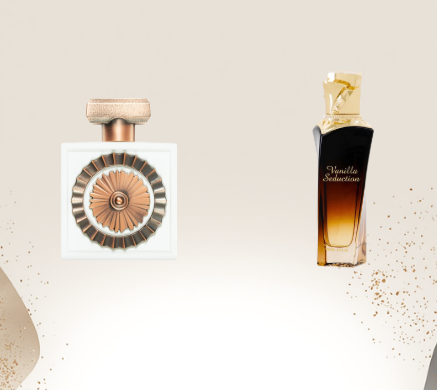
Not every combination that sounds reasonable on paper is worth pursuing. Lattafa Nebras Elixir, dense, creamy, and confidently lactonic, was layered with Maison Asrar Vanilla Seduction, a light, balanced plum-vanilla that doesn’t need help to earn its place on its own. The combination worked mechanically: Nebras Elixir on clothing, Vanilla Seduction on skin, exactly the placement strategy that worked for Empire Regent and Vanilla Aura.
But the result revealed the opposite lesson. Vanilla Seduction’s strength is precisely the lightness and balance that Nebras Elixir partially interrupted, and in gaining creaminess, it lost the airy quality that made it worth reaching for in the first place. Rated 2.5 out of 5, it wasn’t unpleasant, but pleasant and worth repeating intentionally are different things.
The principle: a fragrance that is already balanced and complete doesn’t need density added to it. Layering should target a genuine gap, not just any two fragrances that seem compatible in theory. If a fragrance is already doing its job well on its own, the smartest layering move is often to leave it alone.
Strategic Application Matters More Than the Fragrances Themselves
Across all three experiments, the same application logic held: the heavier or denser fragrance goes on clothing to slow projection and create distance, and the lighter, closer-wearing fragrance goes directly on skin where body heat can develop it. When both are meant to blend on the same spot, apply the denser one first while the skin is still warm, then layer the lighter one on top immediately after. This isn’t a universal fix, as the Nebras Elixir and Vanilla Seduction experiment shows, the right placement strategy can execute a combination flawlessly and it can still not be worth repeating if the underlying pairing doesn’t actually need each other.
When to Skip Layering Entirely
- If the fragrance you’re trying to “fix” is already balanced and complete on its own
- If both fragrances in a pairing are already heavy or already syrupy gourmands
- If a quick test shows projection becoming genuinely overwhelming rather than complementary
- If you find yourself trying to force a combination because the notes look compatible on paper rather than because you’ve actually smelled a gap that needs filling
Final Verdict: Layering Fixes the Right Fragrances, Not Every Fragrance
Layering isn’t about creating something new, it’s about correcting a genuine imbalance, and the only way to know whether a combination does that is to actually test it on skin. Some fragrances that feel disappointing alone are one honest pairing away from becoming genuinely useful. Others are already complete, and the layering experiment that seems logical on paper will only prove that adding to them makes them worse, not better. Both outcomes are useful information. Only one of them means you keep the bottle.
If Vanilla Aura’s citrus-forward character has you curious about more of its layering potential, the Vanilla Aura layering strategy post goes deeper into that specific fragrance as a tool rather than a standalone. And if you’re building a full wardrobe with intentional layering combinations rather than one-off experiments, how to build a fragrance wardrobe in 10 bottles or less is where that process starts.
Sometimes, but not by making it stronger in isolation. The most successful fix in my own testing came from using a thin fragrance as a brightening tool alongside something denser, not from adding more depth to the thin fragrance itself. A weak fragrance is often better used as a modifier than treated as a problem to solve directly.
Look for genuine complementary gaps rather than similar profiles. A dense, heavy fragrance paired with something light and sweet can soften an intense dry-down. A thin, citrus-forward fragrance can brighten something richer and more complex. Layering two already-balanced or already-heavy fragrances together rarely improves either one.
Apply the heavier fragrance to clothing, collar and shoulders work well, to slow its projection and create distance. Apply the lighter fragrance directly to skin and pulse points where body heat can develop it. If you want both on the same spot, apply the denser one first while skin is still warm, then layer the lighter one immediately on top.
Skip layering when the fragrance you’re considering is already complete and balanced on its own, since adding density or richness can dilute the exact quality that makes it work. Also avoid pairing two already-heavy or already-syrupy fragrances together, and be cautious of combinations that only make sense on paper rather than ones you’ve actually tested and noticed a real gap in.