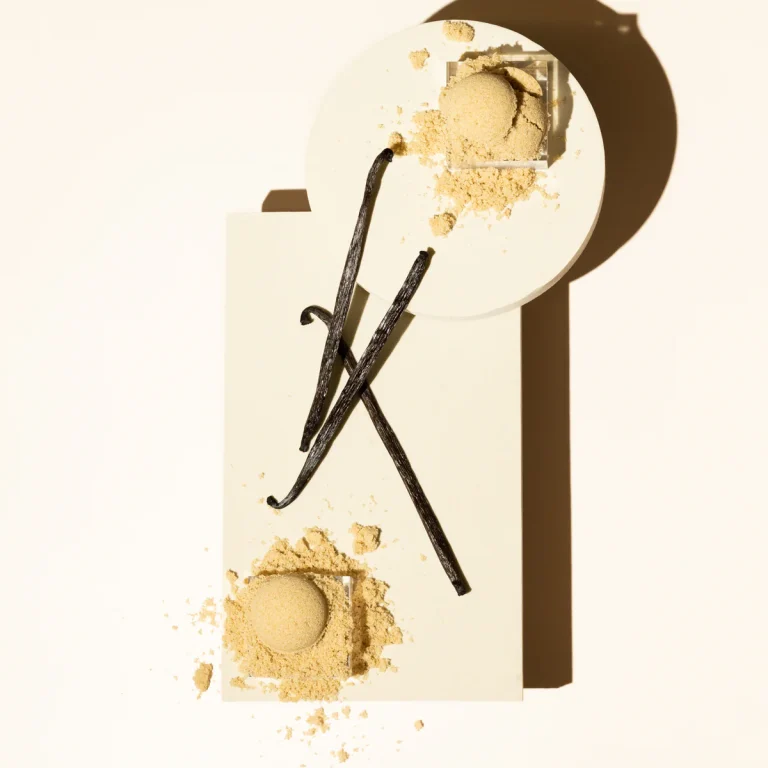
Sweet vs Spicy Perfume Notes Explained: How to Tell the Difference (and Choose What You’ll Actually Wear)
Sweet vs Spicy Perfume Notes: What Do They Actually Mean?
If you’ve ever read a perfume description and thought “okay but what does that actually smell like?”—you’re not alone.
“Sweet” and “spicy” are two of the most commonly used perfume descriptors, and also two of the most misunderstood. They don’t mean the same thing in fragrance as they do in food, and they don’t behave the same way on skin.
Let’s break it down in plain language—no fluff, no hype.
What Are Sweet Perfume Notes?
Sweet notes create a soft, comforting, often cozy impression. They’re usually associated with warmth, smoothness, and approachability.
Common Sweet Notes You’ll See
- Vanilla
- Caramel
- Brown sugar
- Honey
- Tonka bean
- Praline
- Marshmallow
- Fruity sweetness (pear, berry, cherry)
How Sweet Notes Smell on Skin
Sweet perfumes often:
- Feel warm and inviting
- Lean cozy or creamy rather than sharp
- Sit closer to the skin
- Become smoother and softer as they dry down
Not all sweet perfumes are sugary. A vanilla can be dry, smoky, or even slightly bitter depending on how it’s blended.
Who Sweet Perfumes Work Best For
- Lovers of cozy, comforting scents
- People who dislike sharp or loud openings
- Cooler weather wearers
- Anyone who wants an “easy reach” fragrance
What Are Spicy Perfume Notes?
Spicy notes add warmth, depth, and energy—but not sweetness. These notes are often dry, aromatic, or slightly sharp.
Common Spicy Notes You’ll See
- Cinnamon
- Cardamom
- Nutmeg
- Clove
- Black pepper
- Pink pepper
- Ginger
- Saffron
How Spicy Notes Smell on Skin
Spicy perfumes often:
- Feel bold or energizing at first spray
- Project more than sweet scents
- Add structure and edge
- Can feel sharp if not balanced
Spice in perfume is about heat and contrast, not sugar.
Who Spicy Perfumes Work Best For
- People who like statement scents
- Those who dislike overly sweet perfumes
- Evening or cold-weather wearers
- Anyone who wants depth without dessert vibes
Sweet vs Spicy: Key Differences at a Glance
| Feature | Sweet Notes | Spicy Notes |
|---|---|---|
| Overall feel | Soft, cozy, comforting | Warm, bold, energizing |
| First impression | Smooth and inviting | Sharp or aromatic |
| Projection | Moderate to low | Moderate to high |
| Longevity | Improves in dry-down | Strong early impact |
| Best seasons | Fall, winter, cool evenings | Fall, winter, nights |
| Common mistake | Can feel cloying | Can feel harsh |
The Secret Most Perfume Descriptions Don’t Tell You
Many perfumes labeled “sweet” are actually sweet + spicy blends.
This is intentional.
Spice prevents sweetness from becoming syrupy. Sweetness softens spice so it doesn’t feel harsh.
Some of the most wearable fragrances sit right in the middle.
Examples of Sweet + Spicy Pairings
- Vanilla + cinnamon
- Tonka + cardamom
- Amber + saffron
- Brown sugar + pink pepper
If you’ve ever loved a “sweet” perfume that didn’t feel childish—or a “spicy” one that felt cozy—this balance is why.
How to Choose Between Sweet and Spicy Perfumes
Ask yourself these questions before buying:
1. Do I like cozy or bold?
- Cozy → Sweet
- Bold → Spicy
2. Do I wear perfume mostly during the day or at night?
- Daytime → Sweet or lightly spiced
- Evening → Spicy or sweet-spicy blends
3. Do I want my perfume noticed across the room?
- Yes → Spicy
- No → Sweet
4. Have sweet perfumes felt too heavy on me before?
If yes, look for sweet scents with spice in the heart or base.
Final Take: Sweet vs Spicy Isn’t About Better—It’s About Balance
There’s no “right” category—just what works on your skin and in your life.
- Sweet perfumes comfort
- Spicy perfumes command attention
- Sweet-spicy blends give you the best of both worlds
If you’re ever unsure, start with balance. It’s usually where the best value lives.