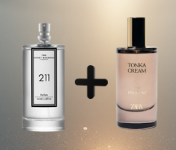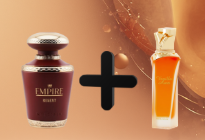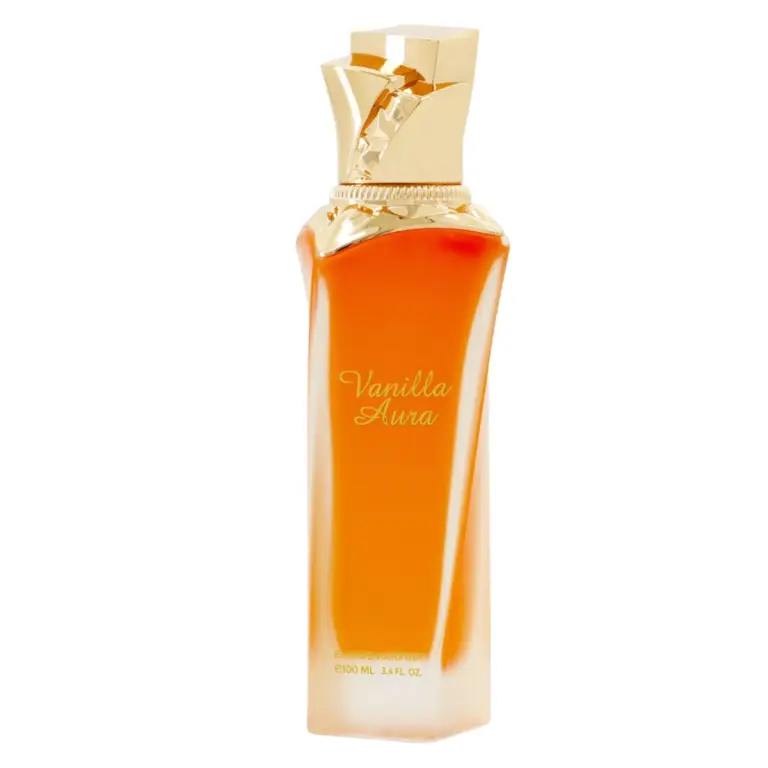
Layering Affordable Perfumes to Smell Expensive (What actually works – and what doesn’t)
Layering is often framed as a creative experiment—but in practice, it’s a correction tool.
Most affordable perfumes don’t fail because they smell bad. They fail because they’re linear. One note dominates. There’s no contrast. No evolution. That’s where layering comes in—not to “hack luxury,” but to add structure.
This guide breaks down how to layer budget perfumes intentionally, using principles I apply when testing fragrances for Scent Steals.
Why Affordable Perfumes Benefit More From Layering
Luxury perfumes often feel “complete” because they include:
- Top note sparkle
- Mid note transition
- Base note depth
Affordable perfumes frequently emphasize one lane:
- Sweet
- Clean
- Fruity
- Musky
Layering lets you supply what’s missing.
The Scent Steals Layering Framework
(This is the part most guides skip)
Every successful layered scent has three roles. Not three perfumes—three functions.
1. The Base (Structure)
This is what sits closest to skin and lasts longest.
Good base profiles
- Vanilla
- Tonka
- Soft amber
- Skin musks
From our reviews
- Vanilla Seduction works well here because it’s smooth and non-aggressive
- Nebras can also act as a base—but only if used lightly
2. The Contrast (Interest)
This is what prevents the scent from reading flat or juvenile.
Good contrast profiles
- Citrus
- Neroli
- Light florals
- Green notes
Contrast should feel like lift, not competition.
3. The Anchor (Optional, but powerful)
This is what makes the scent feel “finished.”
Good anchor notes
- Woods
- Amber
- Leather
- Soft spice
Not every combo needs an anchor—but when a scent feels unfinished, this is usually what’s missing.
| Layering Approach | Why It Works | Why It Fails |
|---|---|---|
| Vanilla + Citrus | Adds lift and contrast to sweetness | — |
| Vanilla + Soft Floral | Polishes heavy gourmands | — |
| Sweet + Clean Musk | Reduces cheap sweetness | — |
| Two Gourmands Together | — | No contrast, overly dense |
| Fruit + Fruit | — | Competing sweetness, chaotic |
| Heavy Base + Heavy Base | — | Loud but not refined |
Layering Combinations That Actually Make Sense
Vanilla + Citrus (Soft Luxury Effect)
- Creamy vanilla + fresh citrus creates balance
- The sweetness reads intentional instead of sugary
This is how many designer fragrances are structured—just built into one bottle.
Dark Vanilla + Light Floral (Polished Depth)
- A heavy base like Nebras benefits from a soft floral on top
- The result feels more expensive, less dense
Sweet + Clean Musk (Everyday Wear Fix)
- This is especially useful for marshmallow or fruity scents
- The musk removes the “cheap sweetness” edge
| Role | Purpose | Common Notes | Result if Missing |
|---|---|---|---|
| Base | Structure & longevity | Vanilla, tonka, amber, musk | Scent feels thin |
| Contrast | Interest & lift | Citrus, neroli, light florals | Scent feels flat |
| Anchor | Polish & depth | Woods, spice, leather | Scent feels unfinished |
Common Layering Mistakes (And Why They Fail)
❌ Layering two sweet gourmands
→ No contrast, no air
❌ Over-spraying to “force” longevity
→ Loud ≠ expensive
❌ Mixing fruits with fruits
→ Reads chaotic, not intentional
Rule to remember:
If both perfumes are doing the same job, one of them shouldn’t be there.
| Smells Expensive | Smells Cheap |
|---|---|
| Balanced sweetness | Over-sweet |
| Clear contrast | Linear scent |
| Moderate projection | Loud opening |
| Evolves over time | Smells the same throughout |
| Intentional layering | Random spraying |
Final Take
Layering isn’t about smelling complex—it’s about smelling considered.
When affordable perfumes are layered with purpose, they stop feeling like “budget finds” and start feeling like personal scent signatures.